


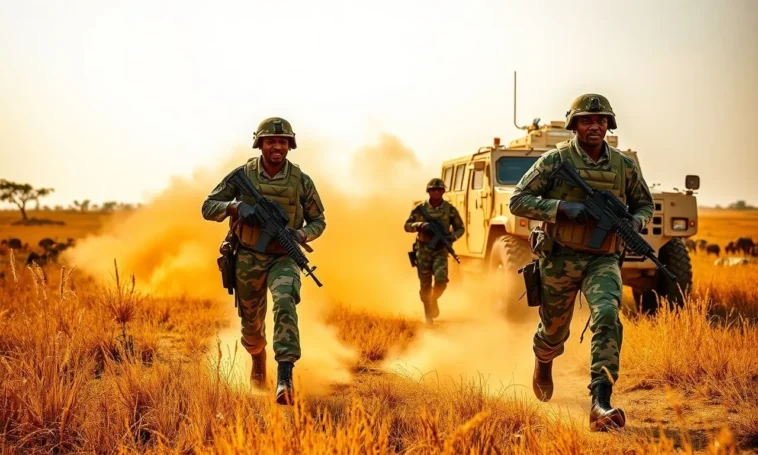
Operation Savannah Shield Kwara
Massive Military Crackdown: Operation Savannah Shield Launched in Kwara After Deadly Woro Attack
Operation Savannah Shield Kwara has been officially launched by the Nigerian military to track down the perpetrators of the brutal Woro community massacre.Massive Military Crackdown: Operation Savannah Shield Launched in Kwara After Deadly Woro Attack
By Noah Ellis | @NoahReports, NewsBurrow Nigeria
Table of Contents
- Operation Savannah Shield Kwara
- Massive Military Crackdown: Operation Savannah Shield Launched in Kwara After Deadly Woro Attack
- The Blood-Soaked Sunset: How Woro Became a Graveyard in Minutes
- Operation Savannah Shield: Tinubu Flips the Script on Border Terror
- The Kaiama Gateway: Mapping the Geography of Insurgency
- The March Explosion: A Cold Reminder of the Enemy Within
- General Nnebeife and the “New Doctrine” of Proactive Defense
- The Sustainability Crisis: Is a Battalion Enough to Hold the Savannah?
- Human Rights and the Risk of “Collateral Militarization”
- Kwara’s Long Road to Recovery: The Shield Must Not Fail
- Shop Products On Amazon
- Shop Products on Ebay
- Trending Similar Stories in the News
- Trending Videos of Operation Savannah Shield Kwara
- Similar Popular Articles
The Blood-Soaked Sunset: How Woro Became a Graveyard in Minutes
The shadows were lengthening over Woro village in Kaiama Local Government Area on that fateful Tuesday, February 4, 2026. For the residents, it was supposed to be the quiet end to a productive day of farming and trade. Instead, the air was suddenly shattered by the rhythmic thud of motorcycles and the indiscriminate chatter of assault rifles. What followed was a calculated slaughter that has now been etched into the dark annals of Kwara State’s history as one of its deadliest days.
Eyewitnesses, still trembling with the phantom sounds of gunfire, described a scene of absolute pandemonium. Men, women, and the elderly were hunted through their doorsteps. The attackers didn’t just kill; they sought to erase the community’s spirit, torching shops and the residence of a revered traditional ruler. As the smoke rose from Woro and the neighboring Nuku community, the true scale of the horror emerged, with death toll estimates fluctuating between 75 and a staggering 170 souls.
The “shock factor” here isn’t just the body count; it is the brazen nature of the assault in a state previously considered a relative “buffer zone” against the extreme violence seen further north. This was not a random raid; it was a message. The perpetrators, linked by international intelligence to ISWAP and extremist cells operating along the Nigeria-Niger border belt, proved that no boundary is sacred when ideology meets a vacuum of security.
Today, the scorched earth of Woro stands as a grim monument to rural vulnerability. The survivors, many of whom spent days hiding in the unforgiving bushes, are returning to a home that no longer feels like one. Their stories are not just of loss, but of a profound betrayal by the geography that once protected them.
Operation Savannah Shield: Tinubu Flips the Script on Border Terror
In the immediate wake of the carnage, the federal response was swift and uncharacteristically heavy. President Bola Ahmed Tinubu, branding the massacre “cowardly and barbaric,” bypassed the usual rhetoric of “condemnation” and moved straight to mobilization. The result is **Operation Savannah Shield**, a specialized military offensive designed to hunt the Woro killers and dismantle the logistics of terror in the North Central region.
This is not a mere patrol exercise. A full battalion of the Nigerian Army has been injected into the Kaiama district, effectively turning the quiet agrarian landscape into a fortified military zone. The operation marks a significant shift in the Commander-in-Chief’s security-mandate framework, moving away from reactive policing toward a high-intensity, “hunt-and-destroy” mission led by the Armed Forces.
The strategic deployment involves a multi-agency synergy that includes the Nigerian Army, the Police, and the newly energized National Forest Guard units. By integrating these forces, Savannah Shield aims to close the gaps in the vast, porous forests that extremists have long used as their private highways. The goal is clear: total territorial dominance in the Savannah belt.
However, the deployment of a full battalion raises the stakes. For the first time in years, the “Kwara front” is being treated with the same military gravity as the Sambisa axis. This shift suggests that the government recognizes a terrifying reality: the insurgency is migrating, and Operation Savannah Shield is the firewall intended to stop it.
The Kaiama Gateway: Mapping the Geography of Insurgency
Why Kaiama? Why Woro? To understand the violence, one must look at the map. Kaiama LGA sits on a strategic corridor that connects the North Central to the international borders of Niger Republic. It is a vast, often under-policed expanse of forest and savannah that offers perfect cover for mobile insurgent bands. For groups like ISWAP, this isn’t just land; it’s a bridgehead into the Nigerian heartland.
The Woro-Nuku axis has become a “border-adjacent hotspot” where armed groups have stepped up village raids to enforce extremist doctrines and secure supply lines. These groups exploit the isolation of rural communities, using them as “soft targets” to project power and extort resources. The military’s focus on this specific geography under Operation Savannah Shield is a direct attempt to sever these trans-border links.
Below is a breakdown of the reported impact and the scale of the crisis in the Kaiama region during the initial attack phase:
| Location | Reported Fatalities | Infrastructure Damage | Displacement Status |
|---|---|---|---|
| Woro Village | 75 – 170+ | Market stalls, 40+ homes burnt | 90% of population fled |
| Nuku Community | 15 – 30 | Traditional Palace torched | High (Residents in bushes) |
| Kaiama Axis | Ongoing reports | Roadblock/IED risks | Trade halted |
The data paints a picture of a region under siege. The military must now prove that Savannah Shield is more than a name—it must be a physical barrier that these nomadic killers cannot penetrate. The “Savannah” is no longer just a landscape; it is a battlefield.
The March Explosion: A Cold Reminder of the Enemy Within
Just as a sense of “military-enforced calm” began to settle over Kaiama, the earth shook again. In March 2026, an IED (Improvised Explosive Device) detonated along the Kaiama–Woro route. While casualties were initially unconfirmed, the psychological damage was absolute. It sent a clear message to the battalion: the enemy is not just hiding; they are digging in.
This explosion has fueled a wave of skepticism among local residents. “The soldiers are here, but the ground still bites,” one local trader lamented. The use of IEDs marks an escalation in tactics, mirroring the deadly techniques used in the Northeast. It suggests that the perpetrators are not mere “bandits” but seasoned militants with technical expertise in asymmetric warfare.
Operation Savannah Shield now faces its toughest test. Can a conventional army battalion defeat a phantom enemy that uses the very roads the locals rely on as weapons? The military has responded by increasing “rapid-response protocols” and intelligence sharing, but the fear remains. The March blast proved that the hunt for the Woro killers is far from over.
For the residents, the sound of an approaching motorcycle is no longer a sign of a neighbor returning from the market; it is a trigger for trauma. The military’s presence is welcomed, but the explosion served as a “shock factor” that reminded everyone: in this war, the frontline is everywhere.
General Nnebeife and the “New Doctrine” of Proactive Defense
Major General Chinedu Nnebeife, the General Officer Commanding (GOC) 2 Division, has become the face of this new offensive. His recent visit to the mass burial sites in Woro wasn’t just a ceremonial gesture; it was a tactical assessment. Alongside Senator Suleiman Sadiq Umar, the General has been hammering home a new doctrine: “Proactive Defense.”
In a rare, candid briefing, military officials indicated that Savannah Shield would prioritize “intelligence-led strikes” over static checkpoints. The 2nd Division is reportedly utilizing advanced surveillance drones to map the forest hideouts that have shielded these killers for years. Nnebeife’s message to the troops was clear: “Don’t wait for them to strike; find them where they sleep.”
- Enhanced Intelligence: Utilizing local informants and satellite imagery.
- Forest Dominance: Deploying the National Forest Guard to track movements in thickets.
- Surgical Strikes: Using rapid-response units to hit identified insurgent camps.
- Civil-Military Synergy: Working with traditional leaders to rebuild trust.
This shift in strategy is a direct response to critics who argue that the Nigerian military has historically been too slow to move. By putting a “General on the ground,” the Tinubu administration is signaling that Kwara’s security is now a top-tier national priority. However, the success of this doctrine hinges on the military’s ability to maintain a long-term presence without alienating the very people they are sworn to protect.
The Sustainability Crisis: Is a Battalion Enough to Hold the Savannah?
While the arrival of a battalion brings immediate relief, security analysts are already questioning the long-term sustainability of such a massive deployment. History has shown that when the military retreats, the vacuum is quickly filled by the same forces that were supposedly defeated. Kwara cannot be under a state of perpetual military occupation.
The “state of emergency on national security” declared by the federal government in late 2026 provided the legal framework for Savannah Shield, but it didn’t solve the underlying issues of poverty, porous borders, and the lack of local policing. There is a growing call for structural reforms that move beyond “boots on the ground” to include community-based surveillance and permanent regional security hubs.
Consider the following ASCII representation of the “Security Confidence Level” in the Kaiama region over the last few months:
Confidence Level
High  |          _ (Post-Deployment)
|         /Med   |  _     /   \   _ (Current Pulse)
| / \   /     _/Low   |/   _/+-----------------------
Feb   Mar   Apr   May
(Attack) (Blast) (Shield)
The graph illustrates the volatility of public trust. While confidence spiked with the military’s arrival, it dipped after the March explosion. To keep the line moving upward, Operation Savannah Shield must transition from a “hunt” to a “stabilization” mission. The military must become part of the community’s fabric, not just a temporary visitor in armored vehicles.
Human Rights and the Risk of “Collateral Militarization”
As the “hunt for Woro killers” intensifies, human rights observers are sounding a cautious alarm. In the rush to apprehend terrorists, there is a risk of heavy-handed tactics that could alienate the local population. History in other theaters of conflict has shown that scorched-earth policies often create more insurgents than they kill.
The “shock factor” here is the potential for collateral damage in these tightly-knit rural communities. If a young man is wrongly detained or a farm is destroyed during a tactical maneuver, the military loses the “hearts and minds” battle that is crucial for gathering intelligence. Governor AbdulRahman AbdulRazaq has stressed the need for “surgical precision,” but in the heat of a forest skirmish, precision is often the first casualty.
Religious and traditional leaders in Kwara North are walking a tightrope. They have called for decisive action against the “beasts of Woro,” but they are also pleading for inter-communal reconciliation. They recognize that the killers often exploit existing communal tensions—over land, religion, or resources—to find local collaborators. If the military ignores these social nuances, Savannah Shield will only be a temporary fix.
The operation’s success will ultimately be measured not by how many “suspects” are paraded, but by how safe a woman feels walking to her farm at 5:00 a.m. The military is the shield, but the community must be the foundation. Without a balance between force and empathy, the Savannah will remain a tinderbox.
Kwara’s Long Road to Recovery: The Shield Must Not Fail
Operation Savannah Shield is more than just a military campaign; it is a test of the Nigerian state’s ability to protect its own. The Woro massacre was a brutal reminder of what happens when the state sleeps. The subsequent deployment is an attempt to wake up and stay awake. But as the troops settle into their barracks in Kaiama, the real work of recovery is just beginning.
NEMA and the Kwara State government are working to provide humanitarian relief, but the scars of Woro go deeper than burnt roofs. There is a collective trauma that requires more than just bags of rice and blankets. It requires justice. The “hunt” must result in the actual apprehension and prosecution of the masterminds, or the cycle of impunity will continue to spin.
We at NewsBurrow Nigeria will continue to monitor the progress of Operation Savannah Shield. We believe that security is a collective responsibility. While the soldiers hold the rifles, the citizens must hold the government accountable. The tragedy of Woro must be the last of its kind in the “State of Harmony.”
What do you think about the military’s new “proactive” approach? Is a full battalion the right answer to rural terrorism, or do we need deeper local police reforms? Join the conversation below and share your thoughts. Your voice is a crucial part of the shield that protects our democracy.
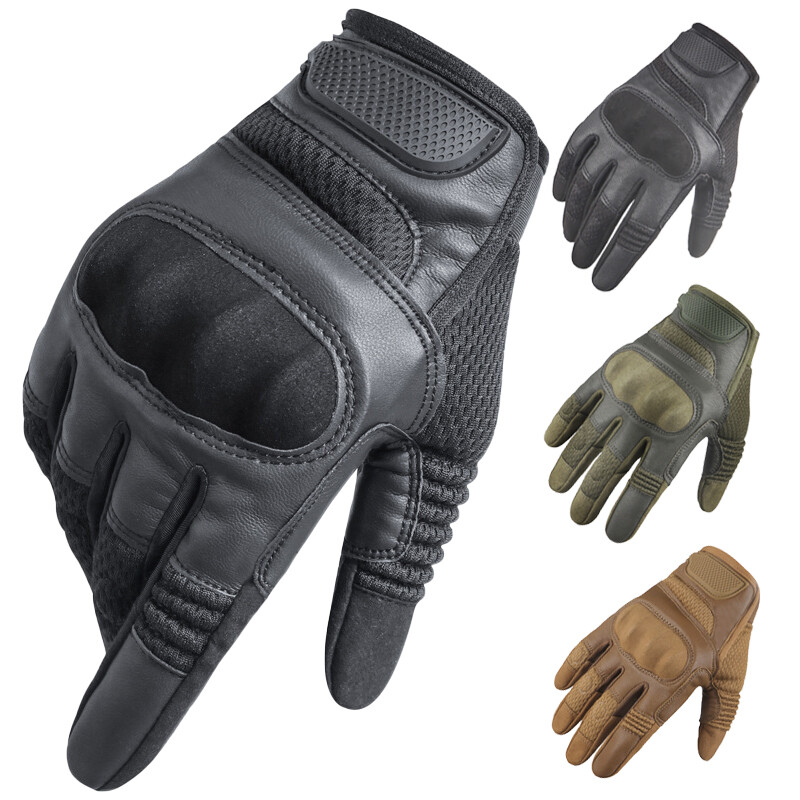
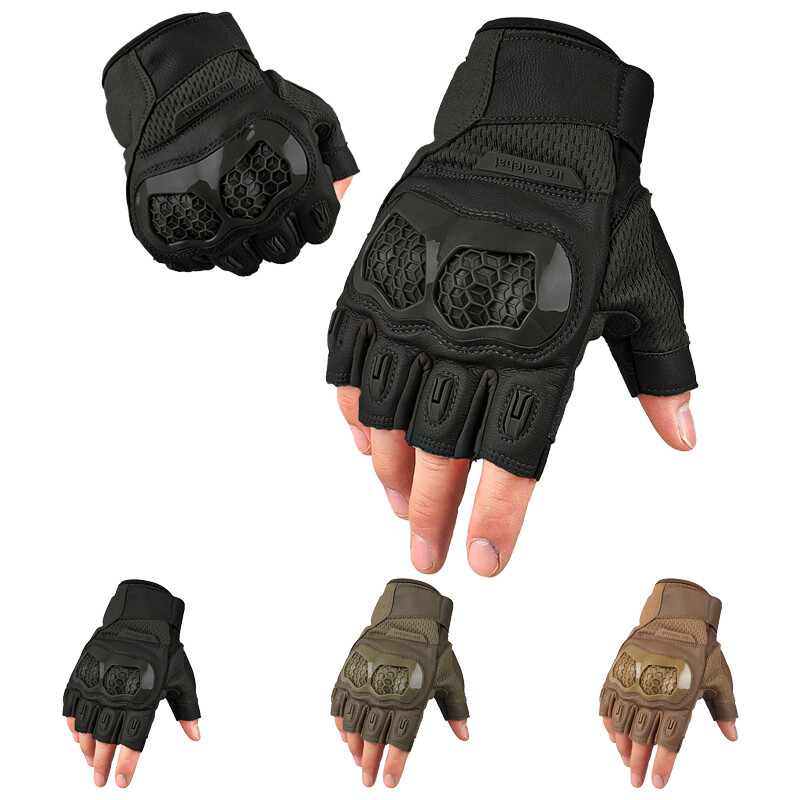
As Operation Savannah Shield Kwara intensifies, the reality of navigating high-risk zones has become a primary concern for residents, first responders, and security enthusiasts alike. The shift toward a proactive military stance in the Kaiama axis underscores the necessity of being prepared for rapidly changing environments. Whether you are a local community leader or a professional operating in the North Central region, having the right equipment is no longer a luxury but a strategic necessity for personal safety and operational efficiency.
The recent tactical developments in Woro and Nuku have highlighted the importance of durability and reliability in specialized equipment. From rugged terrain navigation to emergency preparedness, the tools used by those on the frontlines can make a definitive difference in critical moments. We have curated a selection of high-performance gear designed to meet these demanding standards, ensuring you stay protected while supporting the restoration of peace across the Savannah belt.
Explore our recommended collection of professional-grade essentials to enhance your readiness and resilience in the field. Don’t forget to join the conversation by leaving a comment below and subscribing to the Naija NewsBurrow newsletter for exclusive updates on Kwara’s security landscape. Click below to discover the gear that keeps you one step ahead in every situation.
Shop Products On Amazon
Shop Products on Ebay





Trending Similar Stories in the News
Op Savannah Shield: Kwara residents will now sleep better, says Gov AbdulRasaq MSN...
Abdulrazaq, Kwara governor, launches Operation Savannah Shield to tackle rising insecurity Businessday NG...
Trending Videos of Operation Savannah Shield Kwara
Kwara Killings: How Security Agencies Responded To Attack — Police
Similar Popular Articles
#KwaraState #NigerianArmy #OperationSavannahShield #NigeriaSecurity #BreakingNewsNigeria
Kwara security news, Nigerian Army operations, Kaiama LGA attack, Operation Savannah Shield, North Central insecurity
