
 Michael Brown
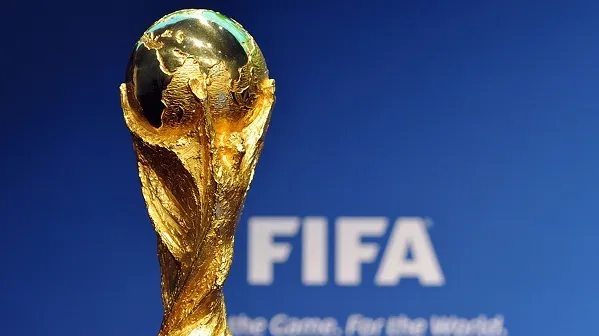
Super Eagles 2026 World Cup Fate
D-Day for Nigeria: Can Super Eagles Win FIFA Protest for 2026 World Cup Spot?
Super Eagles 2026 World Cup fate hangs in the balance as FIFA prepares to deliver a landmark verdict on the eligibility of players fielded by DR Congo.The Billion-Naira Question: Is Nigeria’s World Cup Dream Actually Dead?
The silence following the final whistle in November 2025 was deafening. As the DR Congo players celebrated their penalty shootout victory, millions of Nigerians slumped into a collective state of mourning. The road to the 2026 World Cup seemed permanently blocked, leaving the Super Eagles out in the cold while the rest of the world prepared for the fiesta in North America. For months, the narrative has been one of failure, with critics calling for a total overhaul of the national team structure.
Table of Contents
- Super Eagles 2026 World Cup Fate
- D-Day for Nigeria: Can Super Eagles Win FIFA Protest for 2026 World Cup Spot?
- The Billion-Naira Question: Is Nigeria’s World Cup Dream Actually Dead?
- Inside the NFF Dossier: The ‘Ineligible’ Six at the Heart of the Protest
- The Legal Tug-of-War: Decoding FIFA’s Nationality Switch Regulations
- Shadows of the Past: Historical Precedents That Favor a Super Eagles Miracle
- The DR Congo Defense: Why the Leopards Believe They Are Safe
- The Jordan Invitational Shift: Strategic Move or Admission of Defeat?
- What Happens if We Win? The Road to Mexico and the Intercontinental Playoffs
- The Economic Stakes: What a World Cup Ticket Means for Nigeria’s Sports Economy
- Shop Products On Amazon
- Shop Products on Ebay
- Trending Similar Stories in the News
- Trending Videos of Super Eagles 2026 World Cup Fate
- Similar Popular Articles
However, beneath the surface of this sporting tragedy, a legal storm was brewing. While fans were deleting football apps in frustration, lawyers at the Nigeria Football Federation (NFF) were burning the midnight oil, scouring through player registrations and citizenship documents. The Super Eagles 2026 World Cup fate was no longer in the hands of strikers and goalkeepers; it had moved to the high-stakes chambers of Zurich, where FIFA’s disciplinary committee holds the ultimate power of life and death over national ambitions.
This is not just about a game of football anymore; it is a battle for the soul of the sport’s regulations. The NFF’s formal protest has turned what was a closed chapter into a gripping legal thriller. If the allegations are proven true, the “Leopards” of DR Congo might find their victory stripped away, replaced by a technical knockout that could send Nigeria back into the qualification light. The tension across the continent is palpable, as every African footballing nation watches to see if the rules really do apply to everyone.
As we approach the final hour, the atmosphere in Abuja is one of cautious, almost painful optimism. Can a team that lost on the pitch actually win in the courtroom? To many, it sounds like a desperate gamble, but to those who have seen the “NFF Dossier,” it is a calculated strike against a perceived injustice. We are standing on the precipice of a decision that could either be the final nail in the coffin or the greatest resurrection in the history of Nigerian sport.
Inside the NFF Dossier: The ‘Ineligible’ Six at the Heart of the Protest
At the center of this firestorm is a meticulously compiled document that the NFF believes is their “smoking gun.” The protest doesn’t just make vague claims; it names six specific individuals within the DR Congo squad who allegedly took to the pitch without the proper legal clearance from FIFA. These players, many of whom hold dual nationality and have represented European youth teams, are accused of bypassing the mandatory “change of association” protocols required by international law.
The names being whispered in the corridors of power include high-profile stars who were instrumental in the playoff victory. The NFF argues that these players were ineligible the moment they stepped onto the turf, rendering every goal they scored and every tackle they made technically void. It is a bold accusation that suggests a systemic failure within the DR Congo’s administrative department—or worse, a deliberate attempt to field a “stacked” team against the rules.
To give you an idea of the players involved and the nature of the dispute, see the data below:
| Alleged Ineligible Players | Primary Disputed Issue | Previous Association |
|---|---|---|
| Player A (Defender) | Late Nationality Switch | England U-21 |
| Player B (Midfielder) | Incomplete Clearance | France Youth |
| Player C (Forward) | Dual Passport Discrepancy | Belgium Youth |
| Player D (Defender) | Unverified Ancestry Link | Switzerland U-19 |
| Player E (Goalkeeper) | Registration Timing | None (Admin Error) |
| Player F (Midfielder) | Provisional Cap Violation | Germany Youth |
The NFF’s legal team, led by seasoned sports attorneys, claims to have intercepted communication that proves DR Congo was aware of these discrepancies but chose to play the individuals anyway, banking on the fact that no one would check the fine print. This “shock factor” has sent ripples through CAF (Confederation of African Football), as it implies a level of administrative negligence that could disqualify the Leopards entirely.
The Legal Tug-of-War: Decoding FIFA’s Nationality Switch Regulations
To understand why this case is so explosive, one must look at the dense forest of FIFA’s Eligibility Rules. Under the current statutes, a player with dual nationality can only switch their national team once, and the process is far from automatic. It requires a formal application to the FIFA Players’ Status Committee, which must then issue a “letter of clearance.” Without this specific piece of paper, a player remains tied to their original association, regardless of what passport they hold.
The Super Eagles 2026 World Cup fate rests on Article 9 of the FIFA Statutes. The NFF claims that DR Congo ignored the “cool-off” periods and failed to provide proof that these players had no competitive senior caps for their former nations. In the world of international football, intent doesn’t matter; only the paper trail does. If the paper trail is broken, the result on the scoreboard is effectively erased by the ink of the regulators.
Critics of the NFF argue that this is “lawfare”—using the legal system to win what couldn’t be won on the grass. However, supporters maintain that if rules aren’t enforced, the integrity of the World Cup is compromised. FIFA is now in a precarious position: if they rule for Nigeria, they risk being seen as favoring a “big” footballing nation. If they rule for DR Congo despite evidence of a breach, they undermine their own judicial system. It is a true “D-Day” for the governance of the beautiful game.
Shadows of the Past: Historical Precedents That Favor a Super Eagles Miracle
Is a reversal of a playoff result actually possible? History says yes. In the 2018 World Cup qualifiers, Bolivia learned this lesson the hard way. They fielded Nelson Cabrera, a player who hadn’t met the residency requirements, in matches against Chile and Peru. FIFA didn’t just fine the federation; they awarded 3-0 wins to their opponents. That single administrative error changed the entire landscape of the CONMEBOL standings, proving that Zurich does not hesitate to use the “nuclear option.”
Closer to home, African football has seen its fair share of boardroom drama. We have seen teams disqualified from the Africa Cup of Nations for fielding overaged players or those with unresolved clearances. The precedent is clear: the sanctity of the competition depends on the eligibility of the participants. For Nigeria, these historical examples are not just trivia; they are the foundation of their hope for a 2026 World Cup reinstatement.
Below is a visual representation of how FIFA’s historical rulings have impacted qualification points in previous disputes:
FIFA POINTS ADJUSTMENT TREND (Historical Precedents)Points
^
5 |          [Awarded 3-0 Win]
4 |          /
3 |         /2 | [Loss] /
1 |      /
0 |-----+------------------------>
Match Day       FIFA Ruling
This graph illustrates the “bounce-back” effect. For Nigeria, a successful FIFA ruling on Nigeria protest would move them from 0 points (elimination) to a technical “win” status, allowing them to bypass the hurdle that stopped them in November. The precedent exists, the law is written, and the NFF is banking on FIFA’s desire to maintain a consistent disciplinary track record.
The DR Congo Defense: Why the Leopards Believe They Are Safe
Naturally, the authorities in Kinshasa aren’t sitting idly by. The DR Congo Football Association (FECOFA) has released a scathing rebuttal, labeling the NFF’s claims as “baseless” and “an insult to the spirit of African football.” Their defense is simple: all players were cleared via the FIFA portal, and any delay in paperwork was due to administrative backlogs in Europe, not fraudulent intent on their part.
The Leopards argue that Nigeria is simply a “sore loser” attempting to use wealth and political influence to bully a smaller nation out of its hard-earned World Cup spot. They have threatened a counter-protest, claiming that Nigeria’s own backroom staff harassed their players during the return leg. This war of words has turned the upcoming ruling into a geopolitical flashpoint, with fans on both sides trading insults and “evidence” across social media platforms like X and Facebook.
The “shock factor” in the Congolese defense is their claim that FIFA officials actually gave a verbal “go-ahead” for certain players to participate. If true, this complicates the case immensely, as it shifts the blame from the federation to FIFA itself. However, in Zurich, verbal agreements usually hold as much weight as a punctured football. The “D-Day” decision will likely come down to which federation can produce the most convincing timestamps on their digital submissions.
The Jordan Invitational Shift: Strategic Move or Admission of Defeat?
While the legal battle rages, the Super Eagles have made a curious move. The NFF recently announced participation in a Four-Nation Invitational tournament in Jordan, scheduled exactly during the intercontinental playoff window. To some analysts, this is a clear sign that the NFF expects to lose the protest and is moving on. Why schedule friendlies if you truly believe you’ll be playing for a World Cup spot in Mexico?
However, another perspective suggests this is a “Plan B” masterstroke. If Nigeria wins the protest, the friendly matches can be easily converted into high-intensity warm-up games for the playoffs. By keeping the team active and together, the NFF ensures the players aren’t sitting at home if the call from Zurich comes. It’s a game of psychological chess—keeping the players focused while the lawyers do the heavy lifting.
- Option A: Protest fails, and Nigeria uses the Jordan trip to rebuild for the next AFCON.
- Option B: Protest succeeds, and the squad is already in a competitive “camp mode” to fly straight to Mexico.
- Option C: A compromise ruling—perhaps a rematch on neutral ground? (Highly unlikely but discussed).
Regardless of the intent, the “Jordan Move” has sparked intense debate among the Naija Voices. Some see it as the NFF being realistic, while others see it as a lack of faith in their own legal case. One thing is certain: the Super Eagles are not going to be idle come March, whether they are playing for glory or just for pride.
What Happens if We Win? The Road to Mexico and the Intercontinental Playoffs
Let’s dare to dream. If the FIFA decision on Nigeria World Cup qualification goes in favor of the Super Eagles, the celebration will be short-lived. There will be no time for a victory parade because the intercontinental playoffs in Mexico are a different beast entirely. Nigeria wouldn’t just be handed a World Cup trophy; they would be handed a ticket to a “mini-tournament” against elite representatives from Asia, South America, and Oceania.
The road to 2026 would then run through Mexico City. Nigeria would likely face a battle-hardened opponent like New Zealand or a high-flying side from the AFC. The physical and mental toll of such a quick turnaround—moving from a legal battle in Switzerland to a physical battle at high altitude in Mexico—would be unprecedented. The Super Eagles 2026 World Cup fate would truly be back in their own hands, but the pressure would be ten times higher than the initial qualifiers.
The logistical nightmare of a late reinstatement cannot be overstated. Visa applications, flight charters, and high-altitude training camps would all need to be organized in a matter of days. This is where the NFF’s administrative prowess would be tested to the limit. Winning the protest is only half the battle; the other half is proving that Nigeria actually belongs on the world stage by winning the games that follow.
The Economic Stakes: What a World Cup Ticket Means for Nigeria’s Sports Economy
Beyond the goals and the glory lies a massive financial engine. A World Cup appearance is worth millions of dollars in FIFA preparation grants and prize money. For Nigeria, a country currently navigating complex economic policies, this influx of foreign exchange is vital. It’s not just about the NFF’s bank account; it’s about the local jersey vendors, the viewing center owners, and the advertising agencies whose revenues skyrocket during a World Cup year.
A “No-Show” in 2026 would be a catastrophic blow to the Nigeria football economy. Multi-national sponsors are already reportedly eyeing their “exit clauses” if the Super Eagles aren’t on the global stage. Conversely, a successful reinstatement would trigger a “Gold Rush.” Brands that had walked away would come crawling back, desperate to have their logos associated with the “Miracle of 2026.”
As Michael Brown (@MBrownReports) recently noted, “The Super Eagles are more than a team; they are a national asset. When they fly, the economy feels the lift. When they are grounded, everyone feels the weight.” The D-Day ruling isn’t just a sports headline—it’s a business report that every Nigerian stakeholder is reading with bated breath.
The stakes are high, the legal arguments are sharpened, and the clock is ticking. Whether through the “backdoor” of a courtroom or the front door of a stadium, Nigeria is desperate to reclaim its place among the elite. Join the conversation—do you think the Super Eagles deserve a second chance, or should we accept the loss and move on? Tell us in the comments below!
Reporting for NewsBurrow Nigeria, I am Michael Brown.
As the legal battle for the Super Eagles 2026 World Cup fate reaches its fever pitch in Zurich, the spirit of the green-white-green has never been more resilient. Across the streets of Lagos to the viewing centers in Kano, Nigerians are bracing for a verdict that could redefine our sporting history. Whether FIFA grants us that sensational reinstatement or we are forced to rebuild from the ground up, one thing remains certain: the unwavering loyalty of the fans is the heartbeat of the team.
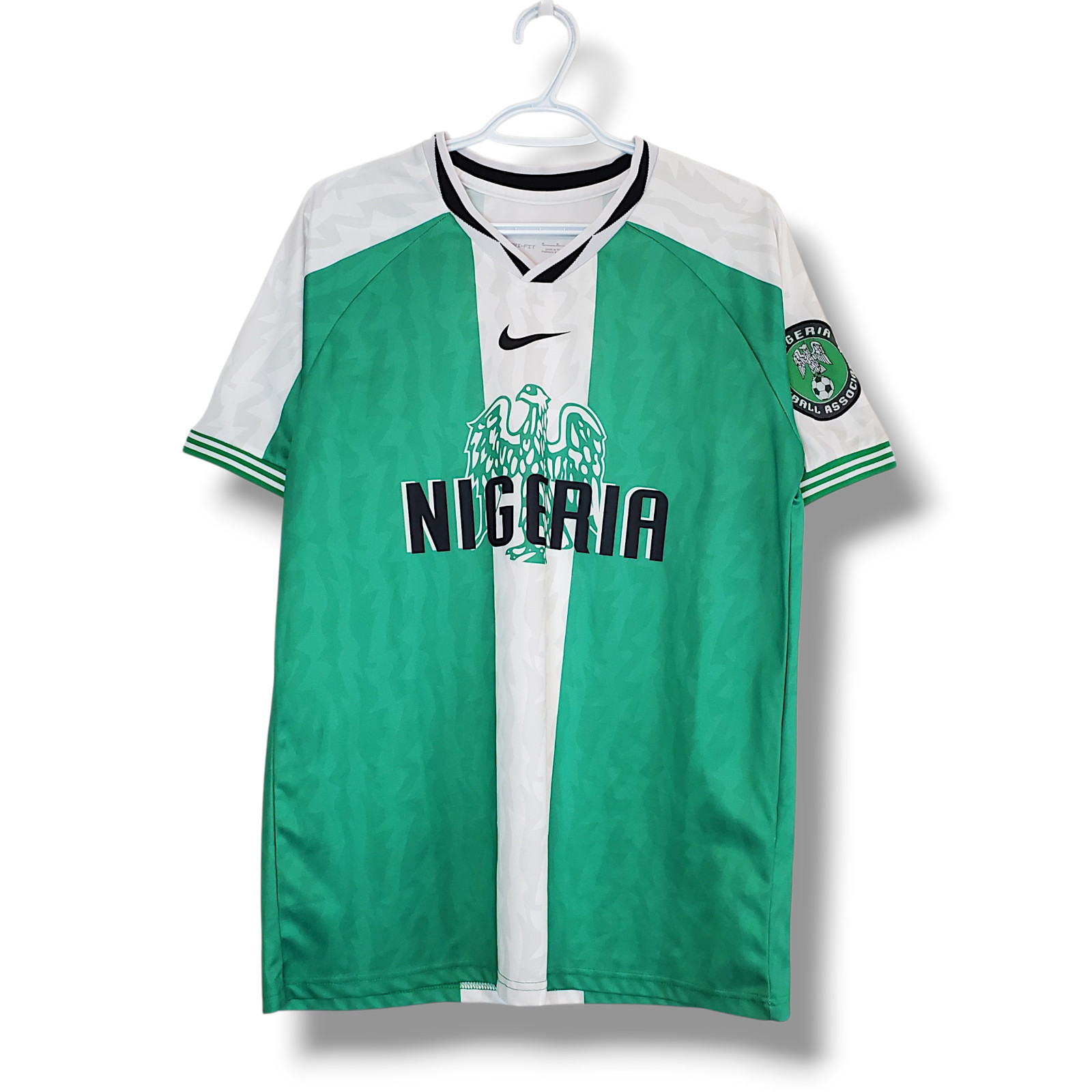
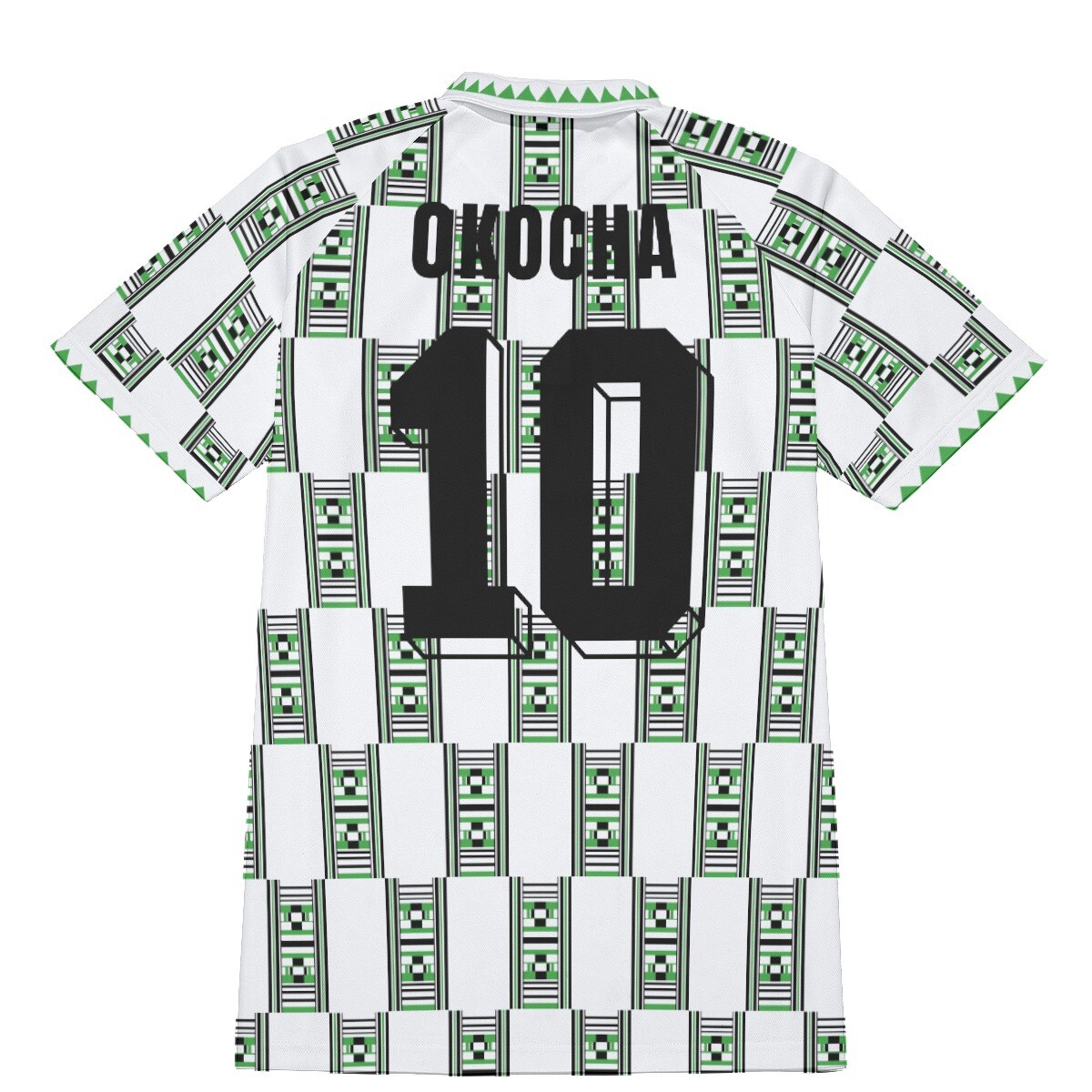
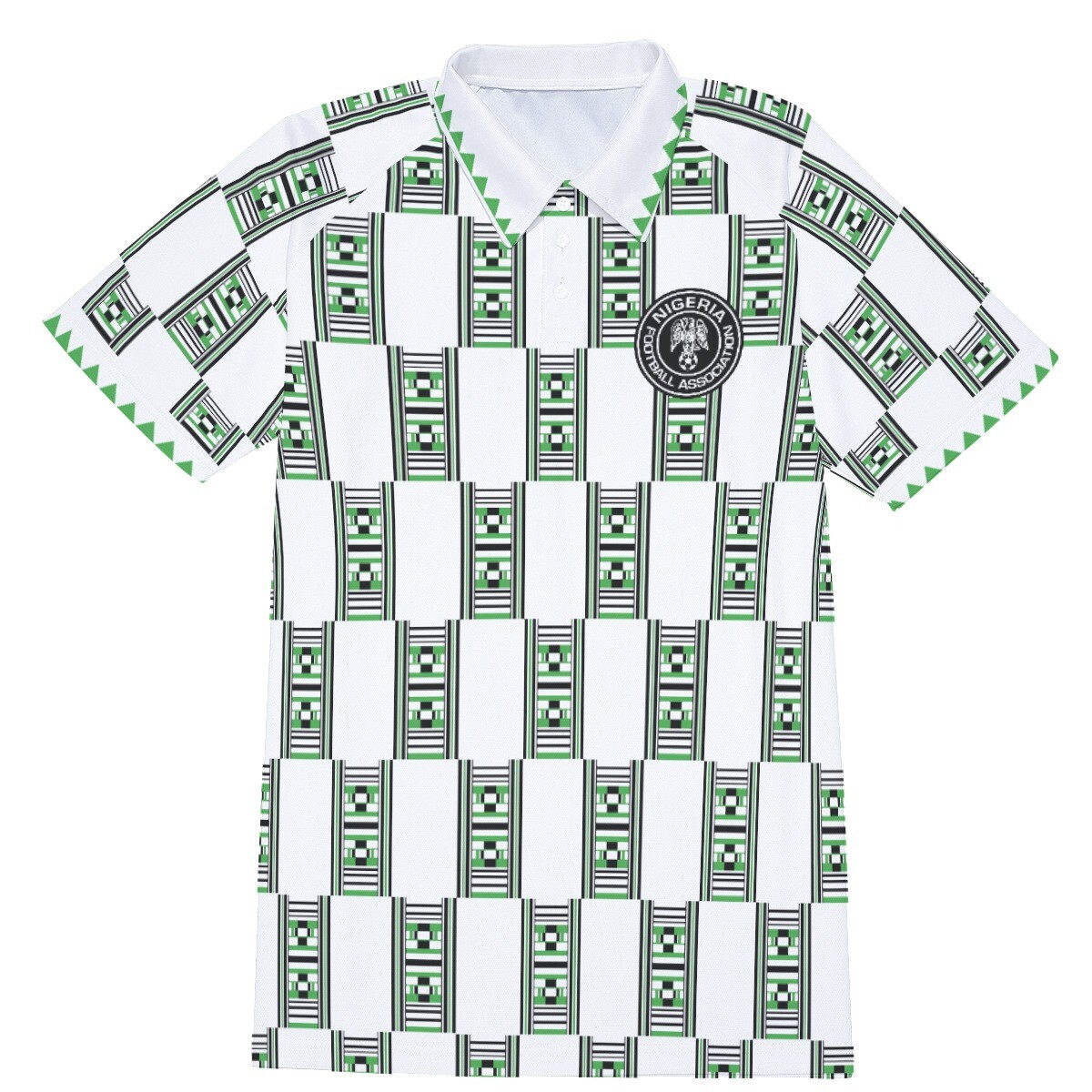
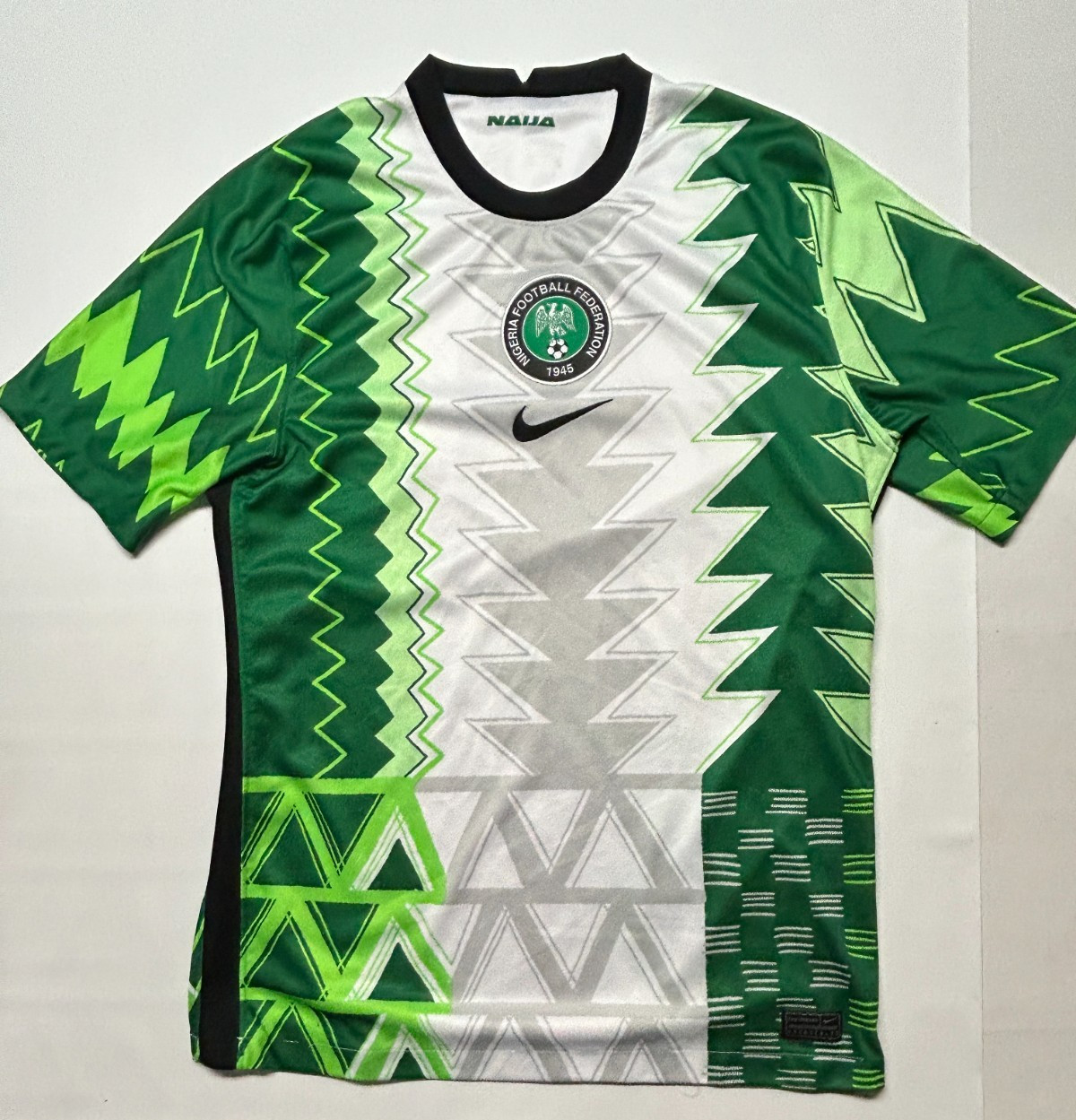
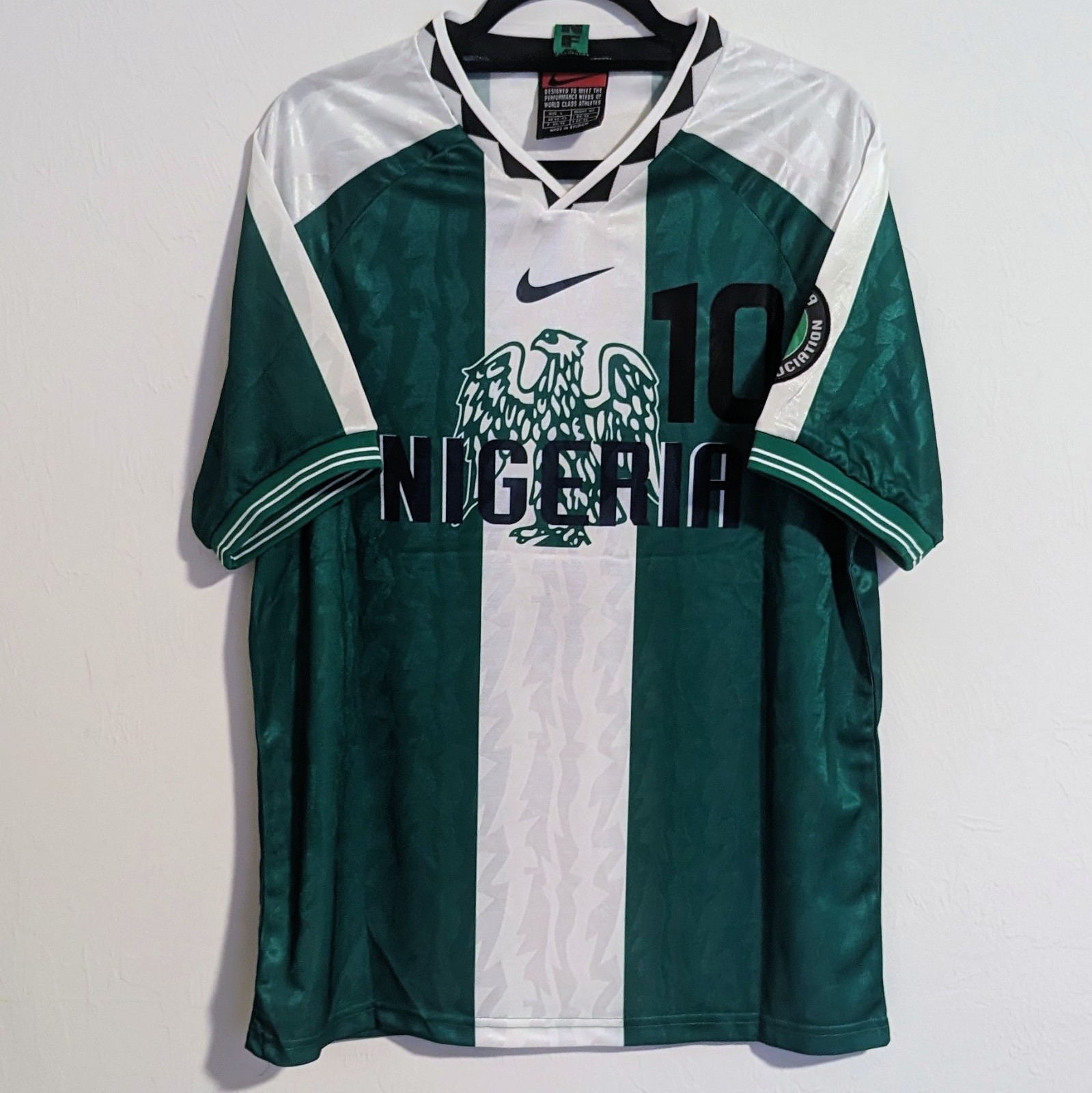
There is no better way to signal your faith in this “miracle” than by wearing your passion on your sleeve as we await the final whistle from the courtroom. Standing behind the team during this high-stakes protest requires more than just hope; it requires a visible show of national pride that unites us all. True supporters know that the colors we wear represent our collective voice on the global stage, proving that the Super Eagles never truly fly alone.
Before the official ruling is handed down, make sure you are fully geared up to celebrate or stand tall in solidarity with the squad. We invite you to explore our top recommendations to showcase your patriotism and stay connected with the journey by subscribing to the Naija NewsBurrow newsletter for instant verdict alerts. Don’t forget to drop a comment below with your score predictions for the legal battle—let’s hear your voice, Nigeria!
Shop Products On Amazon
Shop Products on Ebay




Trending Similar Stories in the News
D-Day for Super Eagles: FIFA set to rule on Nigeria’s 2026 World Cup fate The Nation Newspaper...
Nigeria’s 2026 World Cup chapter closed – Dikko Businessday NG...
Trending Videos of Super Eagles 2026 World Cup Fate
Nigeria vs DR Congo FIFA Protest | Nigeria’s Back Attempt To Make The 2026 FIFAWC In The #USMEXCAN
Similar Popular Articles
#SuperEagles #NigeriaFootball #WorldCup2026 #FIFA #NFF
Super Eagles Updates, 2026 World Cup, FIFA Ruling Nigeria, NFF News, Nigeria vs DR Congo

GIPHY App Key not set. Please check settings