
 Ryan Chen
New National Telecom Policy 2026
Cheaper Data and Faster 5G? Inside the New National Telecom Policy (NTP 2026) Revolution
New National Telecom Policy 2026 aims to revolutionize Nigeria’s digital landscape by slashing data costs and accelerating 5G deployment nationwide.By Ryan Chen (@RChenNews) Technology & Innovation Lead, NewsBurrow Nigeria
Table of Contents
- New National Telecom Policy 2026
- Cheaper Data and Faster 5G? Inside the New National Telecom Policy (NTP 2026) Revolution
- The 25-Year Wait is Over: Nigeria’s Digital Architecture Gets a Radical Facelift
- Dismantling the Data Monopoly: How NTP 2026 Targets Your Monthly Bill
- The 5G Blitz: Erasing the “No Signal” Map in Urban and Rural Nigeria
- The Spectrum War: Solving the Invisible Traffic Jam
- The Shield: Why Net Neutrality is Your New Best Friend
- Unlocking the Rural Frontier: The End of Digital Isolation
- Critical Assets: Protecting the Vitals of our National Connection
- Your Turn to Lead: How to Join the NTP 2026 Conversation
- Shop Products On Amazon
- Shop Products on Ebay
- Trending Similar Stories in the News
- Trending Videos of New National Telecom Policy 2026
- Similar Popular Articles
The 25-Year Wait is Over: Nigeria’s Digital Architecture Gets a Radical Facelift
For a quarter of a century, Nigeria’s telecommunications landscape has been governed by a blueprint drafted in a world where the “Nokia 3310” was the height of luxury and the word “streaming” barely existed in our vocabulary. The National Telecommunications Policy (NTP) of 2000 was a masterpiece for its time, successfully birthing the GSM revolution that took us from a few thousand landlines to over 200 million mobile connections. But let’s be honest: using a year-2000 policy to manage a 2026 digital economy is like trying to run a high-end AI processor on a kerosene generator.
The Nigerian Communications Commission (NCC) has finally signaled the end of this digital stone age. By officially launching public consultations for the New National Telecom Policy 2026, the regulator isn’t just dusting off old files; it is initiating a total structural demolition. This move, spearheaded by Executive Vice Chairman Aminu Maida, represents a desperate but necessary race to align our laws with the reality of 5G, Artificial Intelligence, and the Internet of Things (IoT).
The “shock factor” here isn’t just that the policy is changing—it’s the realization of how much ground we’ve lost while clinging to an ancient framework. For years, Nigerian consumers have been trapped between the promise of “fast” internet and the reality of depleting data balances that seem to vanish into thin air. The NTP 2026 is the government’s attempt to answer the million-naira question: When will data actually become a cheap utility rather than a luxury burden?
Dismantling the Data Monopoly: How NTP 2026 Targets Your Monthly Bill
If you feel like you’re paying more for data while getting less value, you aren’t imagining it. The core of the NCC National Telecom Policy 2026 update is a aggressive shift toward “cost-based pricing.” Currently, the lack of transparency in how Telcos price their “unlimited” bundles has left a sour taste in the mouths of many Nigerians. The new policy aims to peel back the curtain, forcing a regulatory environment where efficiency gains by operators must be passed directly to the consumer.
The strategy involves a complete overhaul of the “Wholesale Open Access” model. By simplifying how smaller Internet Service Providers (ISPs) can buy capacity from the big giants like MTN and Airtel, the NCC is fostering a “price war” that benefits the streets, not the boardrooms. We aren’t just talking about a 5% or 10% dip; the goal is a fundamental crash in the cost-per-gigabyte, bringing Nigeria closer to the global average for affordable broadband.
Beyond just pricing, the policy targets the “data-drain” mystery. Many Nigerians complain that their data disappears faster on 5G than on 4G. The NTP 2026 introduces stricter transparency requirements, mandating that operators provide real-time, granular breakdowns of consumption. It’s about time we stopped paying for “ghost data” and started getting exactly what we subscribe for.
The 5G Blitz: Erasing the “No Signal” Map in Urban and Rural Nigeria
5G has been the talk of the town for two years, but if you step outside the posh neighborhoods of Lagos or Abuja, that 5G icon on your phone likely disappears. The Nigeria 5G expansion guidelines embedded within the new policy are designed to end this digital apartheid. The NCC is moving away from “voluntary rollout” to “mandatory coverage targets,” essentially telling operators that if they want the lucrative spectrum in the cities, they must build towers in the hinterlands.
The policy introduces a revolutionary “Spectrum Sharing” framework. In the past, if a company owned a frequency but didn’t use it in a certain village, that airwave sat idle. Under the NTP 2026, that idle spectrum can be leased to smaller, local providers. This ensures that the digital highway doesn’t just stop at the outskirts of the state capital, but reaches deep into the markets of the North and the farms of the South.
To visualize the projected growth under these new guidelines, consider the following infrastructure roadmap for the next 36 months:
| Infrastructure Metric | Status (NTP 2000 Era) | Target (NTP 2026 Goal) |
|---|---|---|
| 5G Population Coverage | Estimated 15% (Major Hubs) | Minimum 65% Nationwide |
| Active Fiber Optic Reach | ~60,000 km | 120,000 km+ |
| Average Broadband Speed | 20 – 30 Mbps | 100 Mbps+ |
| Data Center Capacity | Emerging / Fragmented | Regional AI-Ready Hubs |
The Spectrum War: Solving the Invisible Traffic Jam
Every time your call drops or your video buffers despite having “full bars,” you are likely a victim of spectrum congestion. Spectrum is the invisible soil where telecom signals grow, and in Nigeria, that soil has been poorly managed. The NTP 2026 introduces “Dynamic Spectrum Access,” a high-tech way of reallocating airwaves in real-time based on where the demand is highest. No more invisible traffic jams while you’re trying to make an important business call.
One of the most controversial yet exciting parts of the policy is the “Spectrum Audit.” The NCC plans to reclaim airwaves from companies that have been “hoarding” them for years without deploying services. This “use it or lose it” approach is a direct punch to the gut of corporate speculators who treat Nigerian airwaves like real estate land-flipping. By freeing up these blocked channels, the NCC creates room for new, hungrier players to enter the market.
The impact of this efficiency can be simulated in the following “Signal Stability” projection for 2026:
Signal Quality Index (SQI)
100 |          /---------- (NTP 2026 Optimized)
80 |         /
60 |  ------/----------- (Current Baseline)
40 | /
20 |/
----------------------
Q1   Q2   Q3   Q4
(The graph illustrates a projected 40% increase in signal stability following the implementation of dynamic spectrum reallocation in late 2026.)
The Shield: Why Net Neutrality is Your New Best Friend
Perhaps the most “human” part of the impact of new telecom policy on Nigerian consumers is the formalization of Net Neutrality. For too long, there has been a quiet fear that Telcos could start “throttling” certain apps—making Netflix slow while their own streaming services stay fast, or charging extra just to use certain social media platforms. The NTP 2026 is set to explicitly ban this behavior, ensuring the internet remains a level playing field.
But the “shield” goes further. The policy introduces a “Digital Bill of Rights” for the Nigerian subscriber. This includes the right to “Data Portability”—the ability to move your data history and usage patterns from one provider to another without friction. It also addresses the nightmare of SIM recycling, where new owners of old numbers suddenly gain access to the previous owner’s bank alerts and private messages. The new policy mandates a more rigorous “Digital Wash” of recycled numbers to protect your privacy.
Key consumer protections under the new framework include:
- Automated Compensation: Instant data or airtime credit for verified network downtime.
- Anti-Throttling Laws: Legal protection against ISPs slowing down specific websites or apps.
- Transparent Billing: Mandated “Simplified Billing Statements” that even a primary school student can understand.
Unlocking the Rural Frontier: The End of Digital Isolation
Nigeria’s rural economy has been disconnected for too long, but the NTP 2026 is turning the “Universal Service Provision Fund” (USPF) from a piggy bank into a power tool. The policy introduces the “Community Telco” model, allowing local governments and private cooperatives to build and manage their own small-scale towers in areas where the “Big Four” refuse to go because it’s not “profitable.
This is a game-changer for agriculture and local trade. Imagine a farmer in a remote village in Jigawa or a trader in the creeks of Bayelsa having the same 5G access as a banker in Victoria Island. By subsidizing the “last mile” of fiber optics, the NCC is effectively saying that geography should no longer dictate your opportunity. The policy treats the internet not as a luxury for the elite, but as a basic human right for every citizen of the Federation.
The NCC public consultation for telecom reforms is specifically looking for “low-cost, high-impact” infrastructure ideas for these regions. This opens the door for satellite internet providers like Starlink to integrate more deeply into the national framework, providing a redundant “sky-net” for areas where laying cables is physically impossible.
Critical Assets: Protecting the Vitals of our National Connection
You can have the best policy in the world, but if a construction worker with a bulldozer accidentally cuts a fiber optic cable, your world goes dark. In the first seven weeks of 2026 alone, Nigeria recorded over 60 major fiber cuts. The NTP 2026 finally gives teeth to the “Critical National Information Infrastructure” (CNII) designation. This means that vandalizing a telecom mast or cutting a fiber cable will no longer be treated as simple “petty theft”—it will be prosecuted as an act of economic sabotage against the State.
The policy also addresses the “Right of Way” (RoW) nightmare. For years, different state governments have charged outrageous fees for Telcos to lay cables, leading to a patchwork of “fast states” and “slow states.” The NTP 2026 pushes for a “Harmonized RoW Fee,” effectively telling state governors that they cannot tax their citizens into digital poverty. This uniform pricing will trigger a massive wave of construction, as Telcos finally have a predictable cost model for nationwide expansion.
Your Turn to Lead: How to Join the NTP 2026 Conversation
The most important thing to realize is that this policy is not set in stone—yet. The NCC has opened the floor until late March 2026 for written submissions. This is your chance to voice your frustration about high data costs, poor customer service, or the lack of signal in your neighborhood. The NCC National Telecom Policy 2026 update is a rare window where the government is actually listening to the people before the “ink dries.”
At NewsBurrow Nigeria, we believe the digital future of this country shouldn’t be decided behind closed doors. Whether you are a tech enthusiast, a small business owner, or a student tired of buying “midnight data” just to save money, your input matters. The transition from the old era to the new will define the next 25 years of our lives. Will we be a nation that merely “browses” the internet, or will we be a nation that builds the future on it?
What do you think? Should the government prioritize lower data prices over faster 5G speeds? Are you worried about your privacy with the new SIM recycling rules? Join the conversation in the comments below and share your thoughts. Let’s make sure the NTP 2026 works for all of us, not just the corporations.
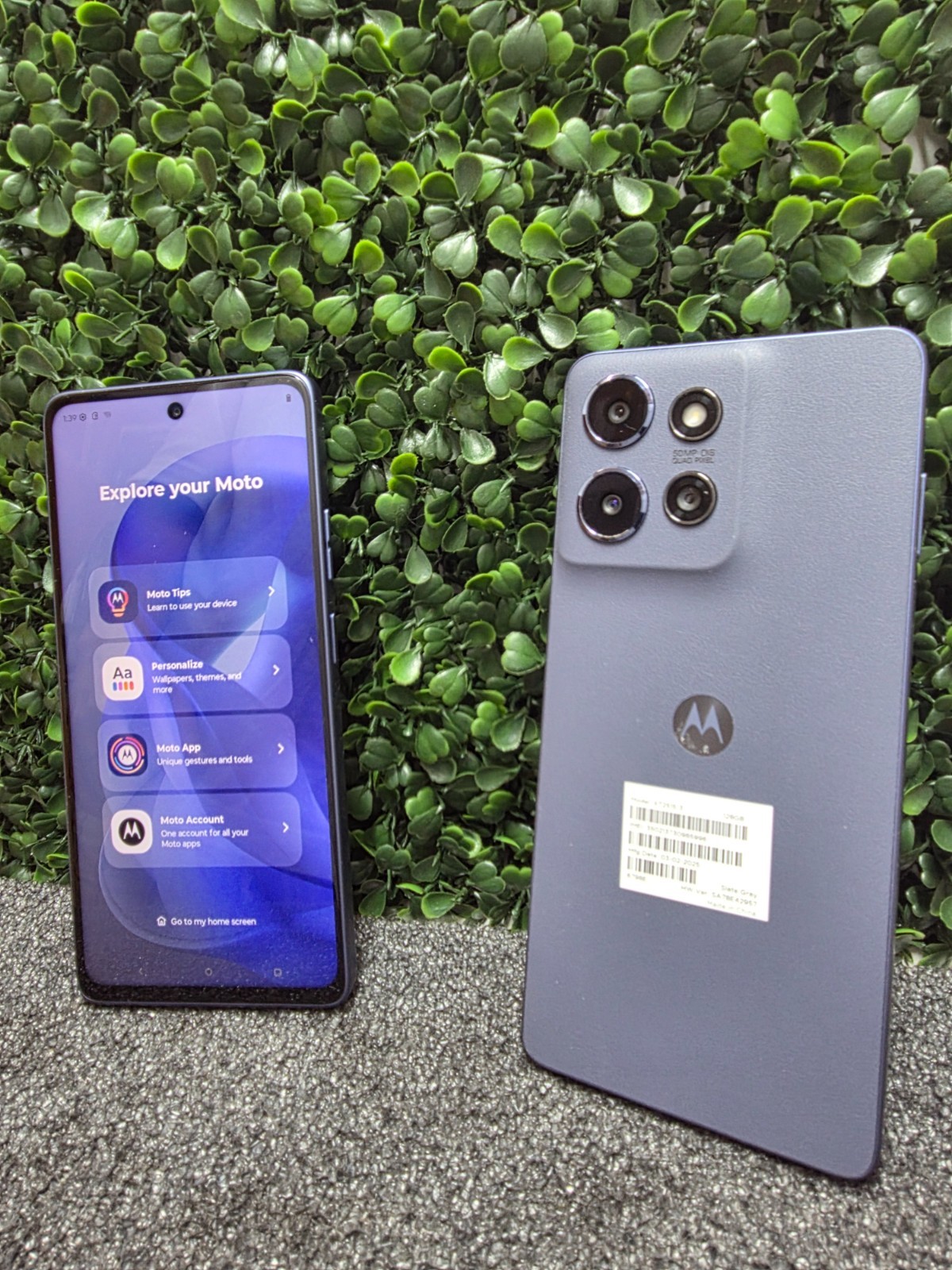
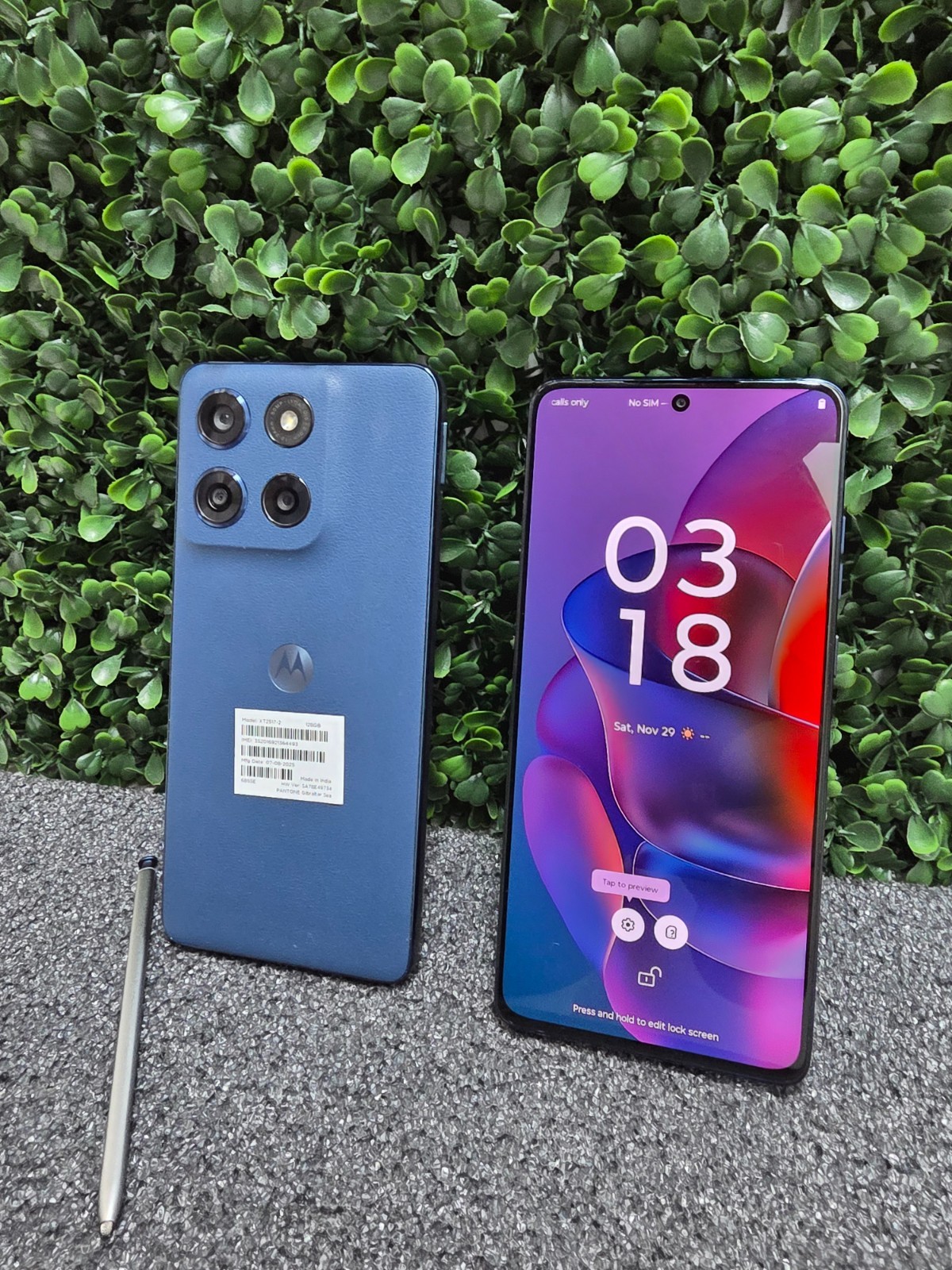
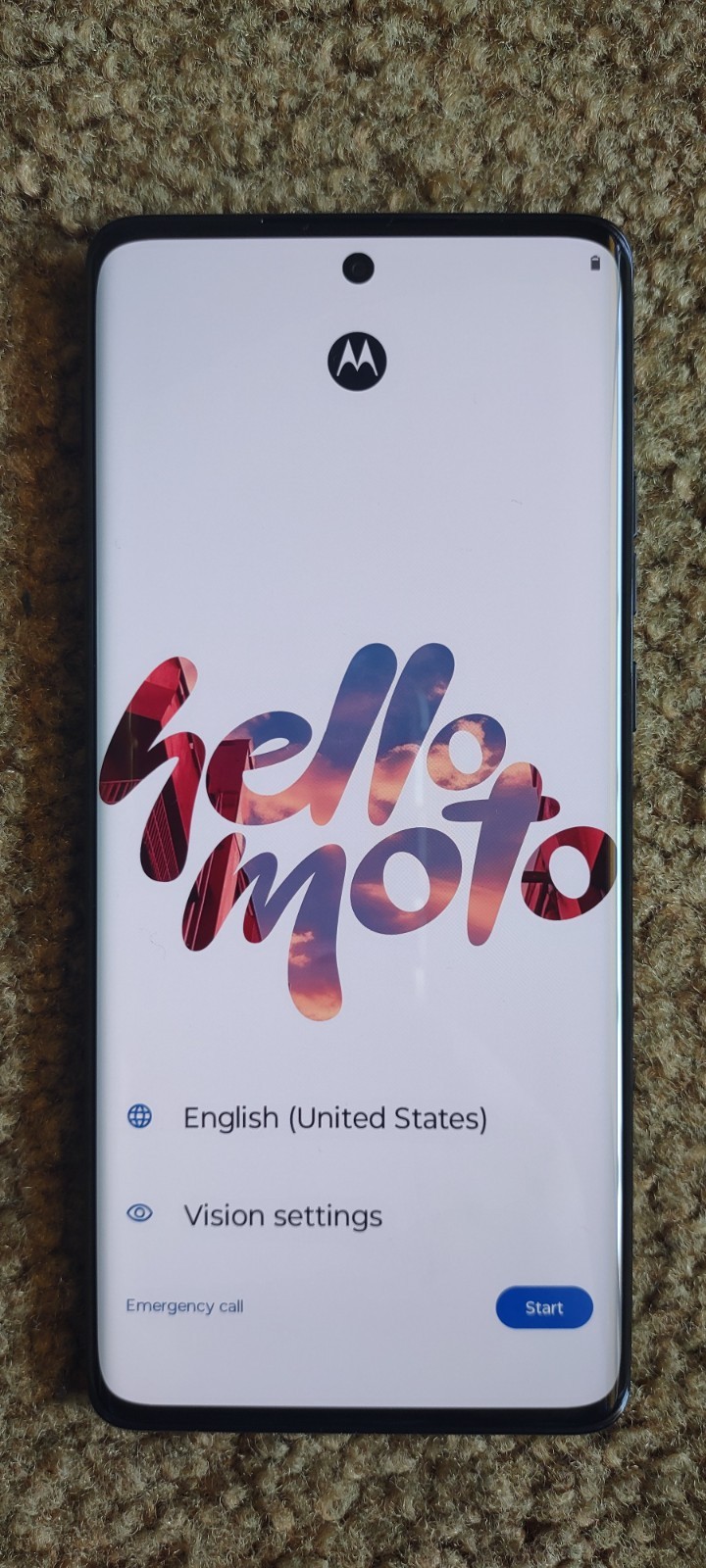
As the Nigerian Communications Commission paves the way for a digital renaissance, the shift toward the New National Telecom Policy 2026 ensures that the infrastructure for a faster, more affordable Nigeria is finally within reach. However, having a robust national policy and a blazing-fast network is only half the battle; the true power of this revolution lies in the palm of your hand. To fully experience the promised speeds of 5G and the seamless connectivity of this new era, your hardware must be as advanced as the network it connects to.
Upgrading to a device that is compatible with Nigeria’s evolving spectrum is no longer just a luxury—it is a necessity for staying competitive in a digital-first economy. Whether you are a content creator looking for zero-latency uploads or a professional requiring stable video conferencing on the move, having the right tech ensures you aren’t left behind as the NTP 2026 takes flight. We have curated a selection of the most reliable and high-performing devices currently available to help you make the most of this telecommunications breakthrough.
Explore our top recommendations below to find the perfect companion for this new era of connectivity and ensure you are ready for the future today. Don’t forget to join the conversation in the comments section below to share your thoughts on these upgrades. For more exclusive tech insights and breaking telecom updates delivered straight to your inbox, make sure to subscribe to the Naija NewsBurrow newsletter.
Shop Products On Amazon
Shop Products on Ebay





Trending Similar Stories in the News
NCC Sets March Deadline for Telecom Policy Review streamlinefeed.co.ke...
NCC begins public consultations for new telecom policy Punch Newspapers...
Trending Videos of New National Telecom Policy 2026
FCCPC, NCC Sign MoU to Strengthen Consumer Protection and Telecommunication Regulation
Similar Popular Articles
#NigeriaTelecom #NCC #NTP2026 #TechNigeria #DataPrices
National Telecom Policy 2026, NCC Nigeria Updates, Nigeria Data Prices, 5G Technology Nigeria, Telecom Regulatory Reforms



GIPHY App Key not set. Please check settings