
 David Goldberg

Gravimetric Metering Facility Akwa Ibom
FG Unveils West Africa’s First Gravimetric Metering Facility in Akwa Ibom to Curb Oil Theft
Gravimetric Metering Facility Akwa Ibom stands as a transformative milestone in Nigeria’s oil sector, engineered to eliminate measurement uncertainties and restore full transparency to national revenue collection. By David Goldberg | @DGoldbergNewsThe Eket Revolution: A New Dawn for Nigeria’s Oil Sovereignty
For decades, the story of Nigeria’s oil sector has been written in the ink of “discrepancies.” From the boardrooms of Abuja to the creek-side flow stations of the Niger Delta, the actual volume of crude oil leaving our shores has often been a matter of heated debate rather than hard data. But on Tuesday, February 17, 2026, the narrative took a sharp, technical turn toward accountability. In the industrial heart of Eket, Akwa Ibom State, the Nigerian Upstream Petroleum Regulatory Commission (NUPRC) officially inaugurated West Africa’s first-ever Gravimetric Multifaceted Flow Metering Calibration Facility.
Table of Contents
- Gravimetric Metering Facility Akwa Ibom
- FG Unveils West Africa’s First Gravimetric Metering Facility in Akwa Ibom to Curb Oil Theft
- The Eket Revolution: A New Dawn for Nigeria’s Oil Sovereignty
- The Science of Accuracy: Why Gravimetric Measurement Changes Everything
- Dismantling the Oil Theft Syndicate through Technical Oversight
- The “Local Content” Shock Factor: Breaking the Overseas Dependency
- Economic Resilience: Retaining Value in the South South
- The Future of Transparency: A Call for Open-Access Dashboards
- Shop Products On Amazon
- Shop Products on Ebay
- Trending Similar Stories in the News
- Trending Videos of Gravimetric Metering Facility Akwa Ibom
- Similar Popular Articles
The atmosphere was electric as industry stakeholders witnessed what many are calling a “transformative leap forward.” This isn’t just another government building; it is a high-precision fortress designed to end the era of “mysterious disappearances” of crude oil. By transitioning to gravimetric standards—measuring oil by its actual mass and weight rather than just volume—Nigeria is finally arming itself with the tools to verify every single drop of its liquid gold. As the facility’s automated systems flickered to life, the message was clear: the days of guessing are over.
This milestone represents more than a regulatory victory; it is a profound win for Nigerian local content. Developed by Engineering Automation Technology Limited (EATL), an indigenous firm, the facility stands as a testament to what happens when local bravery meets global standards. For the residents of Akwa Ibom and the wider South South region, this isn’t just about pipes and meters—it’s about the very transparency that ensures royalties, taxes, and development funds actually reach the people they belong to.
The Science of Accuracy: Why Gravimetric Measurement Changes Everything
To the uninitiated, “gravimetric metering” might sound like dry engineering jargon, but in the world of high-stakes oil production, it is the gold standard of truth. Traditional volumetric meters can be affected by temperature, pressure, and the presence of gas bubbles, leading to measurement “uncertainties” that oil thieves and corrupt actors have exploited for years. Gravimetric calibration, however, uses highly sensitive weighing scales to verify the accuracy of these meters, providing a “unified truth” that is virtually impossible to manipulate.
The facility is equipped to handle a diverse array of critical measurement devices. Whether it is turbine, ultrasonic, or Coriolis meters, the Eket laboratory ensures they are calibrated to international benchmarks. This eliminates the “inconsistent narratives” that often arise between oil producers, the government, and international buyers. By establishing this precision in-country, Nigeria is removing the shadow of doubt that has historically clouded its production figures.
Below is a simplified representation of how the new system improves accuracy compared to the legacy volumetric methods used across the Niger Delta:
| Measurement Feature | Legacy Volumetric Systems | New Gravimetric Standard |
|---|---|---|
| Accuracy Level | Moderate (Affected by Temp/Pressure) | Ultra-High (Weight-Based Precision) |
| Data Integrity | Manual logging (Prone to Tampering) | Zero-Touch Automation / Audit Trails |
| Calibration Location | Overseas (High Cost/Delays) | In-Country (Eket, Akwa Ibom) |
| Revenue Leakage Risk | High (Due to uncertainty) | Minimal (Traceable Standards) |
Dismantling the Oil Theft Syndicate through Technical Oversight
Crude oil theft is not just a crime of opportunity; it is a sophisticated, multi-billion dollar drain on the Nigerian economy. Historically, thieves have relied on the “gray areas” of measurement to siphon off crude. If a meter at a flow station is off by even 2%, millions of dollars can vanish without a trace. The NUPRC’s new facility directly targets this vulnerability by providing tamper-proof audit trails and automated data capture that leave no room for human “interference.”
During the unveiling, NUPRC Chief Executive Oritsemeyiwa Eyesan, represented by Manuel Ibituroko, emphasized that this facility is a strategic weapon in the fight against economic sabotage. With certificates of calibration now recognized for statutory reporting, operators no longer have an excuse for “measurement gaps.” The facility creates a transparent baseline that allows regulators to track production from the wellhead to the export terminal with surgical precision.
This shift isn’t just about catching criminals; it’s about system-wide accountability. When production data is verified through a state-of-the-art laboratory certified to ISO standards, the “excuse culture” in the upstream sector begins to crumble. This is a direct assault on the syndicates that have long benefited from the lack of a centralized, independent, and high-precision calibration hub within Nigeria’s borders.
The “Local Content” Shock Factor: Breaking the Overseas Dependency
Perhaps the most shocking aspect of this story for many Nigerians is the realization that, until now, we were largely dependent on foreign laboratories to calibrate the very meters that measure our wealth. Millions of dollars were shipped out annually in foreign exchange just to verify our own oil. The launch of the Eket facility by EATL marks a definitive end to this embarrassing dependency, retaining value within the domestic economy and boosting our foreign reserves.
Dr. Emmanuel Okon, the CEO of EATL, noted that this project was born from a 2020 challenge to indigenous firms to build in-country capacity. The fact that a Nigerian company has delivered a “West African first” is a massive psychological and economic boost. It proves that the technical expertise to manage the most complex aspects of the oil industry exists right here in the South South. This isn’t just a service center; it’s an indigenous powerhouse challenging the global status quo.
NIGERIA'S CALIBRATION EVOLUTION (Accuracy over Time)100% |                                      [Gravimetric 2026]
|                                   * 80% |                       [Automated Volumetric]
|                * 60% |       [Manual Metering]
|  * 0% +------------------------------------------------------
Pre-PIA Era         Reform Era         Technological Era
Economic Resilience: Retaining Value in the South South
The economic implications for Akwa Ibom and the surrounding states are staggering. Beyond the immediate technical benefits, the facility is projected to become a regional hub for metering excellence, drawing business from neighboring West African countries. This translates into high-skilled jobs for local engineers, technicians, and data analysts. It is a reversal of the “brain drain” that has seen our best technical minds leave for Houston or Aberdeen.
Furthermore, the increased transparency in production directly impacts the derivation funds and royalties paid to host communities. When the “unified truth” of production is published, communities can see exactly how much is being extracted from their land and demand their fair share with data-backed evidence. This fosters a “social license” to operate—a critical ingredient for peace and stability in the Niger Delta.
- Foreign Exchange Savings: Elimination of overseas shipping and service fees for calibration.
- Job Creation: Hundreds of direct and indirect skilled roles for South South residents.
- Revenue Optimization: Plugging the multi-billion naira leakages caused by measurement errors.
- Regional Leadership: Establishing Akwa Ibom as the petroleum measurement capital of West Africa.
The Future of Transparency: A Call for Open-Access Dashboards
While the hardware is now in place, the real test lies in the utilization of the data. Industry analysts are already calling for the NUPRC to take the next logical step: publishing monthly, transparent crude measurement data derived from this facility on an open-access dashboard. Transparency is only as good as the public’s ability to verify it. If we can measure it accurately in Eket, we should be able to see it clearly in Lagos, Kano, and Port Harcourt.
The launch of this gravimetric facility is a massive win, but it must be the first of many. As we look toward a future under the Petroleum Industry Act (PIA), the goal is a fully digitalized, transparent value chain where every barrel is accounted for from the moment it leaves the earth. For now, the people of Akwa Ibom can take pride in hosting the “conscience” of the Nigerian oil industry—a facility that ensures the nation’s wealth is no longer a matter of opinion, but a matter of fact.
What do you think about this move? Will high-tech meters finally stop the oil cabals, or do we need more than just machines to fix the industry? Join the conversation in the comments below!
The dawn of high-precision measurement in Akwa Ibom signals a massive shift toward accountability that transcends large-scale industrial operations. As the Federal Government moves toward gravimetric standards to safeguard national wealth, forward-thinking operators and technical stakeholders are increasingly recognizing that precision at the source is the only way to ensure long-term profitability. This new era of transparency is driving a surge in demand for sophisticated monitoring tools that allow for real-time oversight of fluid dynamics and resource allocation.
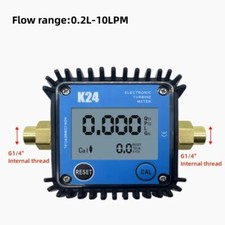
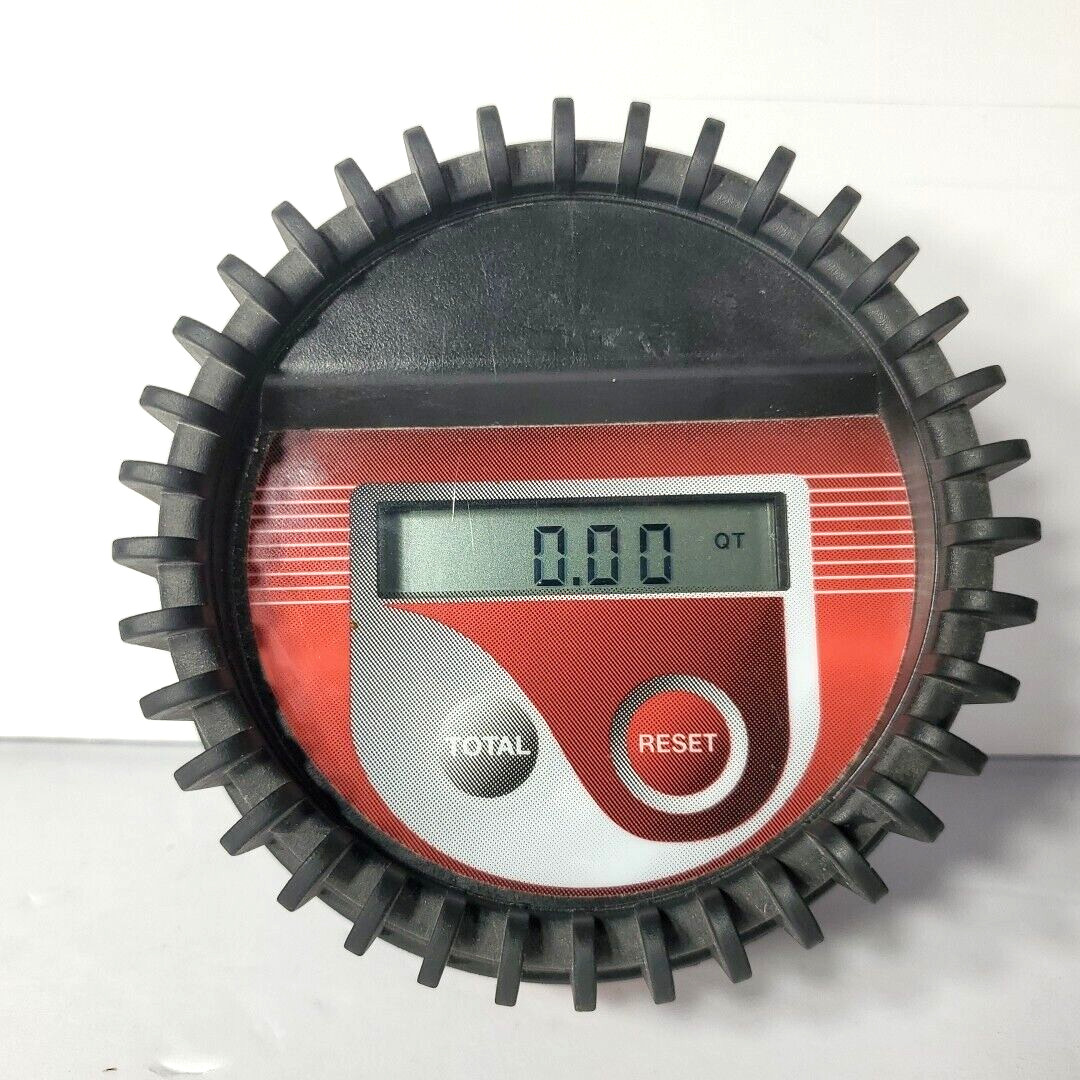
Whether you are managing a local industrial setup or simply looking to enhance the accuracy of your own resource monitoring, having access to world-class measurement technology is no longer a luxury—it is a necessity. High-performance digital flow meters provide the same level of granular detail and tamper-proof data that the NUPRC is now mandating at the national level. Equipping your operations with reliable, industry-standard hardware ensures you stay ahead of regulatory curves while maximizing every drop of your investment.
We invite you to explore our curated selection of professional-grade metering solutions designed to bring Eket-level precision to your fingertips. Don’t forget to join the conversation in the comments below and subscribe to the NewsBurrow Nigeria newsletter for exclusive updates on the technologies shaping the future of the South South economy. Take the first step toward total measurement transparency by checking out the top-rated tools currently leading the global market.
Shop Products On Amazon
Shop Products on Ebay



Trending Similar Stories in the News
FG to tighten crude accountability as NUPRC opens gravimetric facility The Guardian Nigeria News...
Upstream Regulator Unveils First Gravimetric Flow Meter Calibration Facility leadership.ng...
Trending Videos of Gravimetric Metering Facility Akwa Ibom
Flow Stations in Nigeria Adopt New Metering Tech to Curb Theft.
Similar Popular Articles
#AkwaIbom #NigeriaOil #TechInnovation #NigerDelta #Transparency
Akwa Ibom Metering, Oil Theft Nigeria, NUPRC Eket, Gravimetric Calibration, Niger Delta News



GIPHY App Key not set. Please check settings