
 Aisha Khan
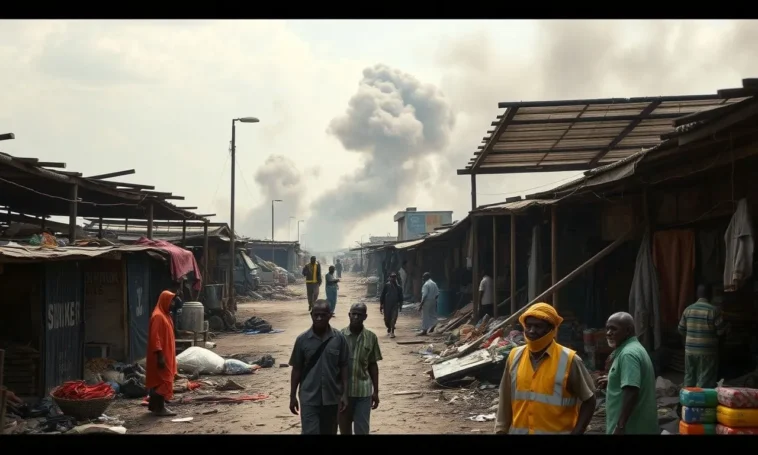
Kano Singer Market Fire Safety
Kano Market Fire: Is Your Solar System Safe? REAN Launches Urgent Probe Into Battery Explosion Claims
Kano Singer Market fire safety has become a national priority as authorities investigate claims of a solar battery explosion in one of Northern Nigeria’s largest commercial hubs.By Aisha Khan (@AishaKNews)
Table of Contents
- Kano Singer Market Fire Safety
- Kano Market Fire: Is Your Solar System Safe? REAN Launches Urgent Probe Into Battery Explosion Claims
- The Day the Sun Scorched the Earth: A Morning of Terror in Kano
- Shadows of the Solar Boom: Investigating the ‘Silent’ Explosion
- REAN Declares War on Negligence: The Investigation Begins
- A Call to Order: The Senate Demands a National Fire Audit
- The ‘Quack’ Epidemic: How Uncertified Installers Are Risking Lives
- The Science of Reliability: Why Quality Solar is Still the Answer
- Your Safety Blueprint: 5 Non-Negotiable Rules for Solar Owners
- The Road to Redemption: Restoring Trust in the Green Revolution
- Shop Products On Amazon
- Shop Products on Ebay
- Trending Similar Stories in the News
- Trending Videos of Kano Singer Market Fire Safety
- Similar Popular Articles
The Day the Sun Scorched the Earth: A Morning of Terror in Kano
The dawn over Kano’s ancient skyline on Monday promised nothing but the usual rhythmic hustle of Northern Nigeria’s commercial heartbeat. However, by mid-morning, the air in the iconic Singer Market transformed into a thick, suffocating shroud of obsidian smoke. What began as a routine business day ended in a frantic race for survival as a ferocious inferno tore through stalls, swallowing livelihoods in its wake.
Eyewitnesses described a scene straight from a cinematic disaster, where the crackle of burning fabric was punctuated by muffled booms that shook the ground. The market, a sprawling labyrinth that fuels the economy of the North, became a furnace within minutes. Merchants who had spent decades building their empires watched in helpless agony as their dreams turned to ash under the relentless heat.
Emergency responders battled not just the flames, but the structural complexity of a market never designed for such a catastrophe. As the cooling embers finally revealed the skeletal remains of the shops, a chilling question began to circulate through the crowd: Was the very technology meant to liberate Nigerians from darkness actually the silent assassin in the room?
Shadows of the Solar Boom: Investigating the ‘Silent’ Explosion
In the immediate aftermath of the blaze, a shocking narrative took root among the survivors. Speculation reached a fever pitch as whispers of a “solar battery explosion” rippled through the ruins of Singer Market. While fire is a common enemy in Nigerian markets, the possibility of a renewable energy system acting as the detonator has sent shockwaves through a nation currently in the middle of a massive solar revolution.
The “shock factor” here cannot be overstated. For years, solar power has been marketed as the ultimate safe, green, and reliable alternative to the erratic national grid. If a battery system—typically tucked away in a corner—could indeed transform into a ticking time bomb, the implications for millions of Nigerian households and businesses are nothing short of terrifying. Is the sun we worship for power secretly plotting our destruction?
Critics and industry skeptics have wasted no time in pointing fingers at the rapid, unregulated adoption of lithium-ion and lead-acid storage systems. While the official cause remains unconfirmed, the mere suggestion of a solar-related disaster has forced a national conversation on the hidden costs of the green energy race. We are now at a crossroads where trust in technology is being weighed against the charred remains of Kano’s marketplace.
REAN Declares War on Negligence: The Investigation Begins
The Renewable Energy Association of Nigeria (REAN) has wasted no time in stepping into the line of fire. Led by Communication Director Oisereime Lloyd-Dietake, the association issued a stern yet empathetic mandate, signaling that they will not let the industry’s reputation be dragged through the ashes without a fight. REAN has officially activated its high-level internal review mechanism to dissect every shred of evidence from the Singer Market site.
This isn’t just a routine probe; it is a battle for the soul of the Nigerian renewable sector. The association is currently engaging forensic experts to determine if the alleged battery explosion was a failure of the technology itself or a catastrophic lapse in human judgment. REAN’s stance is clear: if there were lapses in compliance, the responsible parties will face the full weight of industry sanctions.
The investigation aims to provide a root-cause analysis that will serve as a blueprint for the entire nation. By gathering verified facts and analyzing data from the scene, REAN hopes to quell the rising tide of public panic. However, until the final report is released, the shadow of doubt continues to loom over every solar panel currently catching the Nigerian sun.
A Call to Order: The Senate Demands a National Fire Audit
The halls of the Nigerian Senate echoed with a rare sense of urgency this week as lawmakers deliberated on the Kano disaster. Senators expressed deep-seated concern that the Singer Market fire might be a symptom of a much larger, systemic rot in market safety. They didn’t just offer prayers; they demanded a federal audit of fire safety compliance across every major market in the federation.
The Senate’s intervention highlights a glaring reality: Nigeria’s commercial hubs are aging faster than their safety infrastructure can keep up. The call for a redesign of Singer Market is a bold move toward modernizing urban commerce, but it also serves as a warning to other states. If a hub as significant as Kano can fall, no market in Lagos, Onitsha, or Aba is truly safe from a similar fate.
Beyond the immediate probe into the Kano incident, the legislative body is pushing for a synergy between the Federal Fire Service and security agencies to track missing persons and evaluate the true economic toll. The government is finally realizing that energy security and physical security are two sides of the same coin.
The ‘Quack’ Epidemic: How Uncertified Installers Are Risking Lives
The dark side of Nigeria’s 141% solar growth rate in 2025 is the emergence of what industry insiders call “The Quack Epidemic.” As demand for cheap electricity skyrockets, thousands of unqualified technicians have flooded the market, offering “budget-friendly” installations that bypass critical safety protocols. These installers are often more dangerous than the power outages they claim to fix.
Substandard equipment, often smuggled or poorly manufactured, is frequently paired with these cut-rate installations. A solar battery is a sophisticated chemical storage unit; when handled by someone who doesn’t understand thermal runaway or proper ventilation, it becomes a liability. The Kano incident serves as a grim reminder that in the world of renewable energy, “cheap” can often be the most expensive mistake you’ll ever make.
REAN has been vocal about the need for consumer education. To help our readers, we have compiled a quick comparison of what to look for in a professional versus a hazardous installation:
| Feature | Certified Professional Installation | Hazardous ‘Quack’ Installation |
|---|---|---|
| Wiring | Standard-gauge, heat-resistant, and neatly trunked. | Undersized cables, exposed wires, and “taped” joints. |
| Protection | Dedicated breakers, surge protectors, and fuses. | Direct connections without any fail-safe mechanisms. |
| Battery Housing | Properly ventilated, cool, and dry location. | Cramped, hot spaces with zero airflow. |
| Certification | Verified REAN or COREN accreditation. | “Trust me, I’ve done many” verbal assurances. |
The Science of Reliability: Why Quality Solar is Still the Answer
Despite the current alarm, it is scientifically imperative to state that solar power remains one of the safest forms of energy generation available today. When high-quality lithium-iron-phosphate (LiFePO4) or deep-cycle batteries are used within their designed parameters, the risk of fire is statistically lower than that of traditional petrol generators or faulty grid wiring. The problem isn’t the sun; it’s the shortcut.
Modern renewable energy systems are designed with Battery Management Systems (BMS) that act as a digital brain, monitoring temperature, voltage, and current in real-time. If a cell gets too hot, the BMS shuts the system down. In many of the “explosion” cases we see, these critical safety layers were either bypassed to save costs or were absent in counterfeit products.
Industry experts argue that the Kano fire should not lead to a rejection of solar, but rather a more disciplined embrace of it. To visualize the rise in solar adoption versus the reported safety incidents, consider the following data trend:
Solar Adoption vs. Reported Safety Incidents (2022-2026)
(Projected Trend for Nigeria)Adoption (MW) |                                  * (2026 Projected)
|                           * |                    * |             * |      * +-------------------------------------------
Safety Incid. |      .      .      .      !      ?
(2022) (2023) (2024) (2025) (2026)Key: * = Adoption Surge | ! = Rise in Substandard Hits | ? = REAN Intervention Point
Your Safety Blueprint: 5 Non-Negotiable Rules for Solar Owners
In the spirit of consumer advocacy, NewsBurrow Nigeria has consulted with top engineers to provide you with an actionable safety blueprint. If you currently have a solar system or are planning to install one, these five rules could save your property from becoming the next headline:
- Verify the Installer: Always ask for a REAN certification or a verifiable portfolio of industrial-grade projects. If they can’t explain “thermal runaway,” don’t let them touch your batteries.
- Demand a System Manual: A professional installer will provide you with a diagram and a manual for your specific setup.
- Install Fire Detectors: Place a smoke and heat detector specifically in your battery room. It’s a small investment for a massive safety gain.
- Annual Health Checks: Treat your solar system like your car. An annual inspection of terminal tightness and cable integrity is mandatory.
- Say No to ‘Second-Hand’ Lithium: Avoid buying used lithium batteries from unverified sources. You are essentially buying someone else’s ticking time bomb.
The Road to Redemption: Restoring Trust in the Green Revolution
The fire at Singer Market is a tragedy, but it can also be a catalyst for a safer Nigeria. REAN’s commitment to transparency and the Senate’s push for accountability are the first steps in weeding out the bad actors who threaten to derail our energy transition. The renewable energy ecosystem must prioritize safety over speed to ensure that the sun remains a source of life, not a source of loss.
As we await the final findings of the Kano probe, one thing is certain: the era of “anything goes” in Nigerian solar installations must come to an end. We must demand better from our government, our installers, and ourselves. The future of Nigeria’s power depends on it.
What do you think? Is the government doing enough to regulate solar installers, or are we heading toward a national safety crisis? Join the conversation in the comments below and share your solar experiences with us!
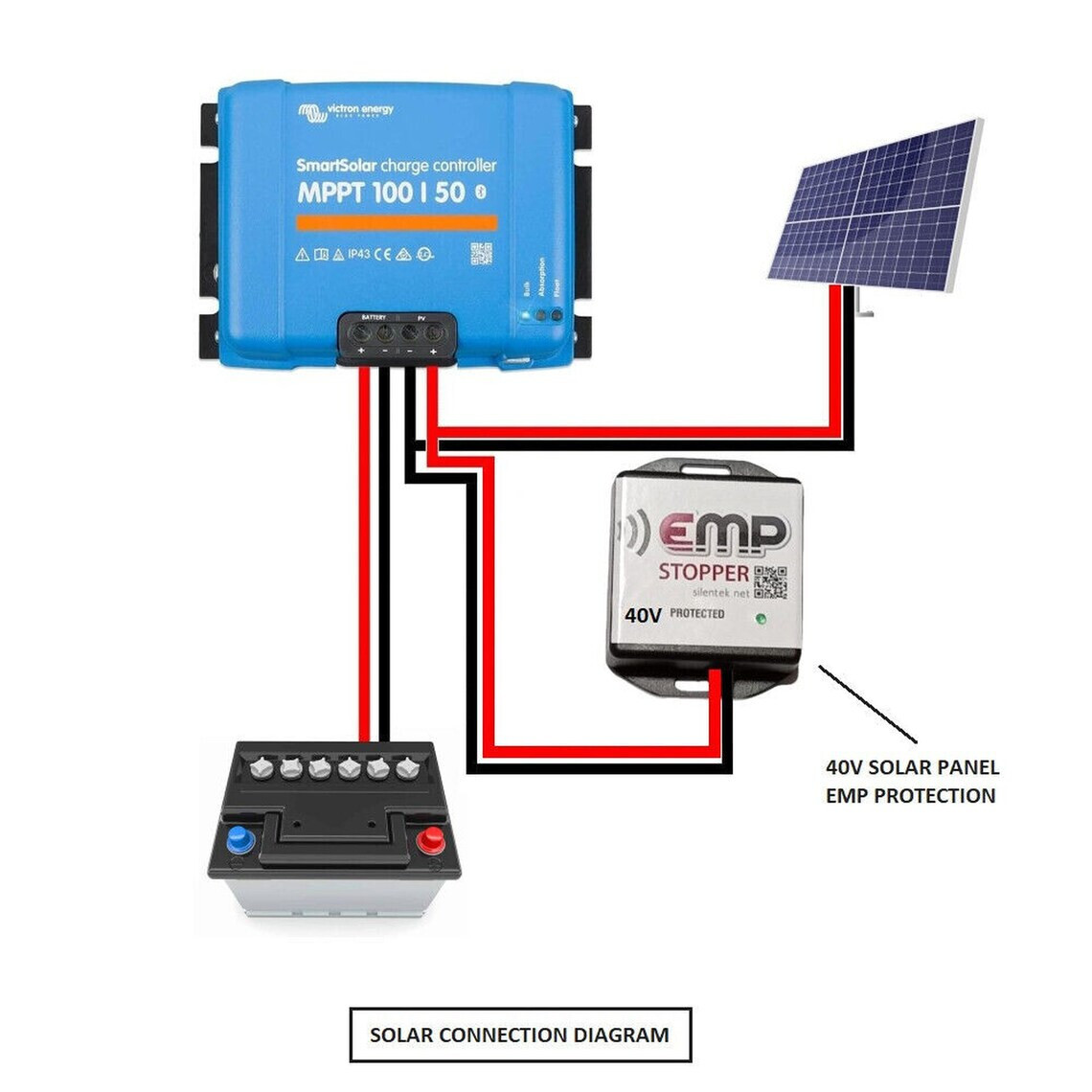
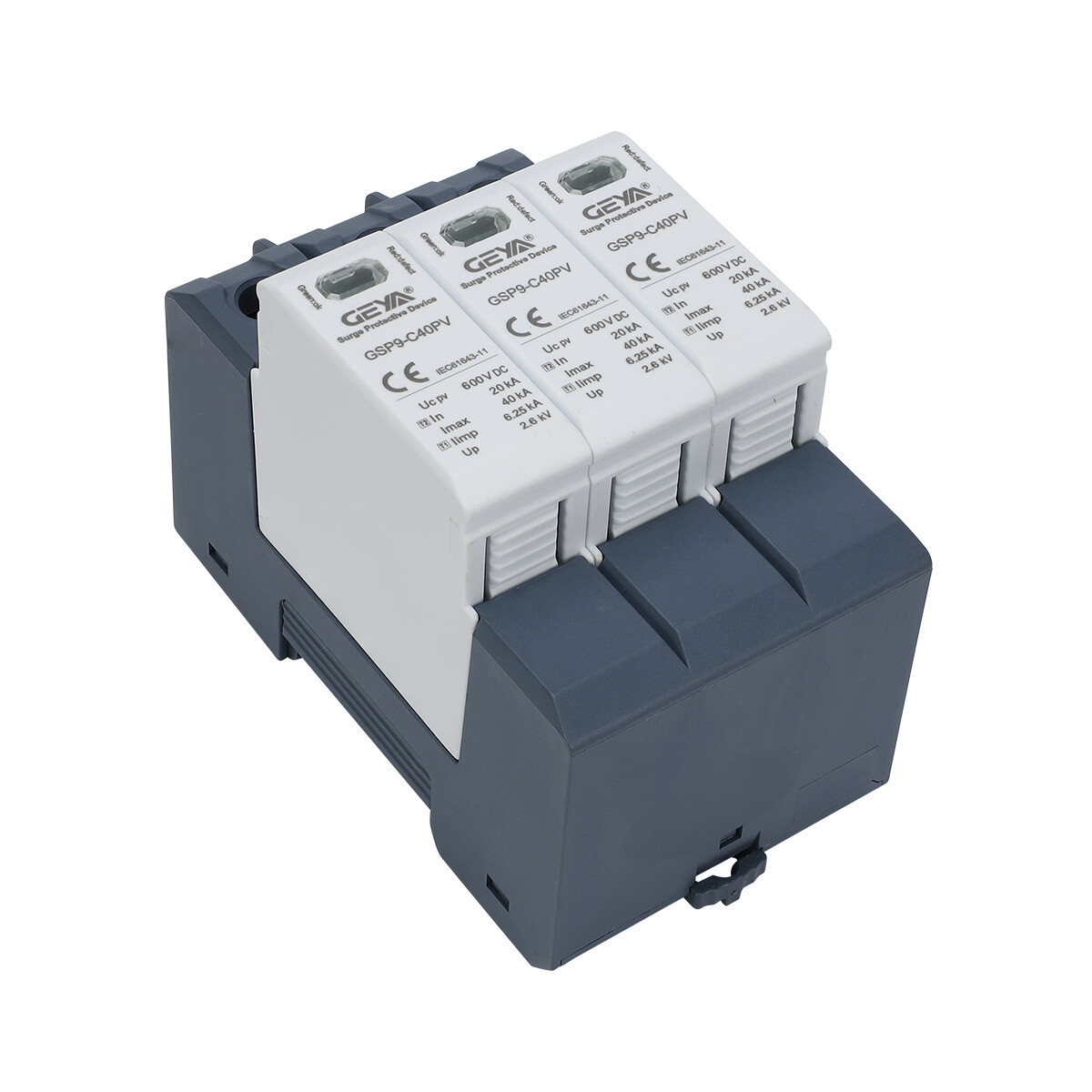
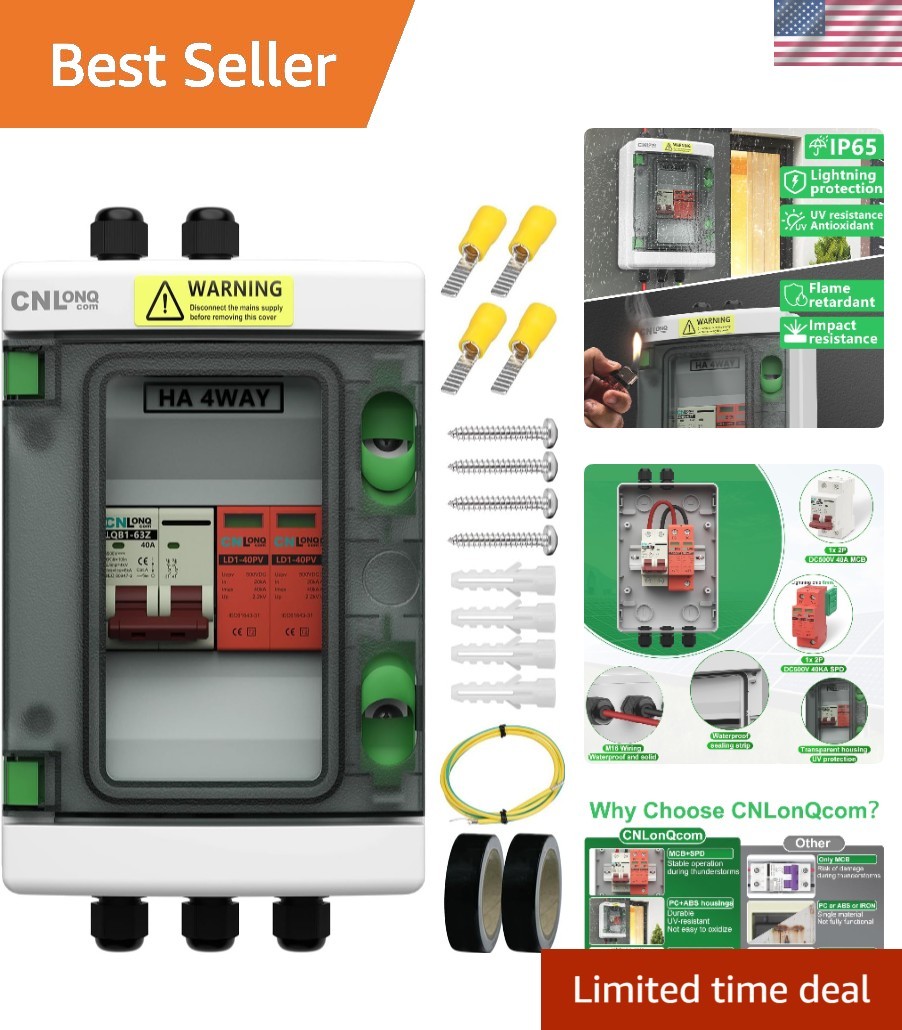
The devastating scenes at Singer Market serve as a sobering reminder that while the transition to renewable energy is essential for Nigeria’s growth, it must never come at the expense of safety. As the investigation into the alleged solar battery explosion continues, many homeowners and business owners are left wondering if their own investments are protected against similar electrical catastrophes. Protecting your property requires more than just high-quality panels; it demands robust defense mechanisms designed to handle the unpredictable nature of power surges and thermal events.
To ensure your solar journey remains a blessing rather than a liability, integrating professional-grade safety components is no longer optional. These specialized tools act as a silent shield, standing between your expensive equipment and the volatile electrical spikes that can lead to system failure or fire. Taking a proactive approach today can prevent the heartbreak of avoidable loss tomorrow, giving you the peace of mind that your family and assets are fully secured.
Are you confident that your current setup meets the highest safety standards? We invite you to explore our carefully curated selection of essential safety hardware below to fortify your renewable energy system immediately. Don’t forget to join the conversation in the comments section and subscribe to the Naija NewsBurrow newsletter for the latest safety alerts and energy tips delivered straight to your inbox.
Shop Products On Amazon
Shop Products on Ebay






Trending Similar Stories in the News
Adebayo calls for probe of Kano market fire, seeks compensation for victims MSN...
Kano market fire raises solar safety concerns Punch Newspapers...
Trending Videos of Kano Singer Market Fire Safety
Over 50 Shops Burnt In Kano Market Fire 04/12/15
Similar Popular Articles
#SolarSafety #KanoMarket #RenewableEnergy #NigeriaNews #FirePrevention
Kano Fire, REAN Probe, Solar Safety Nigeria, Renewable Energy Standards, Singer Market



GIPHY App Key not set. Please check settings