
 Aisha Khan
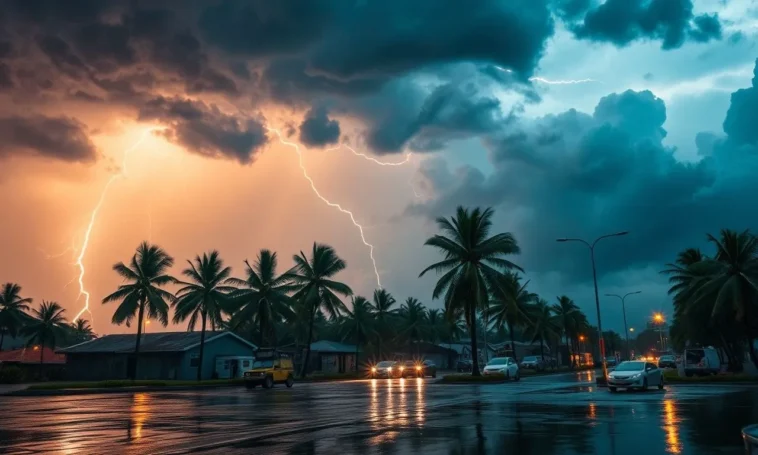
Nimet Rainfall Forecast Nigeria 2026
NiMet Alert: Heavy Rainfall and Strong Winds to Hit Lagos, Ekiti, and 3 Other States (Feb 18–20)
NiMet Rainfall Forecast Nigeria 2026 reveals a critical three-day window of heavy downpours and strong winds threatening several coastal and southern states. Wednesday • Nigeria Temperature Precipitation Wind 33 °C | °F Cloudy High: 33° Low: 21° Precip: 10% Wed 10% 21° / 33°Thu 10% 21° / 34°Fri 0% 21° / 34°Google WeatherBy Aisha Khan (@AishaKNews) Environmental and Climate Correspondent, NewsBurrow Nigeria
Table of Contents
- Nimet Rainfall Forecast Nigeria 2026
- NiMet Alert: Heavy Rainfall and Strong Winds to Hit Lagos, Ekiti, and 3 Other States (Feb 18–20)
- Beyond the Heat: NiMet’s Red Alert as Storms Prepare to Sweep the South
- Atmospheric Tug-of-War: The Science Behind the February Surge
- The Farmer’s Dilemma: Navigating the Deceptive ‘False Onset’
- Urban Survival: A Commuter’s Guide to Slippery Roads and Strong Currents
- The Shock Factor: Why 2026 is Already Defying the Norms
- Charting a Path Through the Clouds
- Shop Products On Amazon
- Shop Products on Ebay
- Trending Similar Stories in the News
- Trending Videos of Nimet Rainfall Forecast Nigeria 2026
- Similar Popular Articles
Beyond the Heat: NiMet’s Red Alert as Storms Prepare to Sweep the South
Nigeria is at a climatic crossroads. For weeks, the relentless sun has baked the southern plains, leaving many to wonder if the Harmattan had simply forgotten to leave. But nature is about to flip the script in a dramatic, and potentially dangerous, fashion. The Nigerian Meteorological Agency (NiMet) has issued an urgent weather bulletin that should serve as a wake-up call for millions. Between February 18 and February 20, 2026, a surge of moist south-westerly winds from the Atlantic is set to collide with the lingering dry air, triggering moderate to heavy rainfall accompanied by fierce, structure-shaking winds.
This isn’t just a cooling shower; it is a significant atmospheric event. According to the NiMet bulletin, the primary impact zone covers Lagos, Ekiti, Ondo, Bayelsa, and Rivers, though secondary alerts have been extended to states like Akwa Ibom and Imo. While the North continues to grapple with the dusty grip of the Harmattan, the South is entering a 72-hour window where the sky will turn a bruised purple, and the winds will carry enough force to challenge the stability of trees and telecommunication masts.
The timing is particularly sensitive. Residents, used to the February heat, may be caught off guard by the intensity of these storms. NiMet’s warning is clear: this is a period for vigilance, not complacency. Whether you are a commuter navigating the chaotic Lagos traffic or a homeowner in the creek-side communities of Bayelsa, the next few days will require a heightened sense of environmental awareness as the first major atmospheric turbulence of 2026 takes hold.
To help visualize the geographical spread of this alert, consider the expected intensity across the frontline states:
| State | Rainfall Intensity | Primary Hazard | Risk Level |
|---|---|---|---|
| Lagos | Moderate to Heavy | Flash Floods / Traffic Gridlock | High |
| Ekiti | Moderate | Strong Gusty Winds | Medium |
| Ondo | Light to Moderate | Slippery Roads / Thunder | Medium |
| Bayelsa | Heavy | Surface Runoff / Strong Currents | High |
| Rivers | Heavy | Reduced Visibility / Storm Surge | High |
Atmospheric Tug-of-War: The Science Behind the February Surge
Why is this happening now? The science is as fascinating as it is frightening. Currently, Nigeria is experiencing a classic “atmospheric tug-of-war.” While the northern part of the country remains under the influence of the dry, dusty Continental Air Mass (the Harmattan), the southern coastal regions are being invaded by the Tropical Maritime Air Mass. These moist winds from the Atlantic Ocean are pushing further inland than usual for this time of year, fueled by shifting global sea surface temperatures and the early signs of a weak La Niña phase.
When these two air masses meet, the result is instability. The moist air is forced upward, cooling rapidly and forming massive cumulonimbus clouds—the engines of thunderstorms. Because the ground is currently very hot, the thermal energy acts as “fuel,” making these early storms potentially more violent than those seen in the middle of a settled rainy season. This explains the specific warning regarding strong winds; the rapid cooling of air creates powerful “microbursts” that can flatten billboards and snap old branches like toothpicks.
This surge also highlights the growing unpredictability of our climate. Mr. Wasiu Ibrahim, NiMet’s Deputy General Manager of Public Weather Services, recently noted that these “unstable atmospheric processes” are being worsened by climate change. We are no longer living in an era where the calendar dictates the weather. Instead, we must rely on real-time data and scientific modeling to stay one step ahead of a landscape that is becoming increasingly volatile.
The Farmer’s Dilemma: Navigating the Deceptive ‘False Onset’
For the Nigerian farmer, a heavy downpour in February is the ultimate siren song. After months of dry earth, the smell of rain-soaked soil—known as petrichor—is an intoxicating invitation to grab the hoe and start planting. However, NiMet has attached a stern “DO NOT PLANT” advisory to this latest forecast. These rains are what meteorologists call a “false onset.” They provide temporary moisture that is almost certain to be followed by a prolonged dry spell in March, which would scorch any early-planted seedlings.
The 2026 Seasonal Climate Prediction (SCP) predicts that the actual rainy season onset for the southernmost regions, like Bayelsa, won’t truly begin until February 23rd at the earliest, with central states having to wait until late April or May. Planting now is a gamble with high stakes and low odds. Agriculture-dependent businesses are advised to use this period for land preparation and securing climate-resilient seeds rather than putting crops in the ground.
To put this into perspective, let’s look at a simple ASCII representation of the 2026 Rainfall Onset Trend as predicted by NiMet:
 Rainfall Onset Timeline 2026 (Projected)[FEB]  **** (Southern Coastal - Bayelsa/Rivers) [MAR][APR]  ******** (South-West / North-Central) [MAY]  ************ [JUN]  **************** (Far North - Kano/Sokoto)Legend: * = Onset Probability/Activity
(Note: Feb rains are isolated "False Onsets")
Urban Survival: A Commuter’s Guide to Slippery Roads and Strong Currents
If you live in a city like Lagos or Port Harcourt, the danger isn’t just the rain—it’s the infrastructure’s reaction to it. Flash flooding is a near-certainty in low-lying areas during this three-day window. NiMet has specifically warned motorists against the temptation to “test the waters.” Surface runoff can hide deep potholes, dislodged manhole covers, or create undercurrents strong enough to sweep a small vehicle off the road. The transition from bone-dry, dusty roads to wet surfaces also creates a “sludge” effect—a mix of oil, dust, and water that makes braking distances significantly longer.
Safety shouldn’t stop at the car door. Residents are urged to conduct a quick audit of their immediate environment. Are there loose roofing sheets? Is there a tree with overhanging branches near your power lines? These are the “silent threats” that become active during high-wind events. Furthermore, the risk of lightning strikes during these early-year thunderstorms is high. The standard advice remains: when thunder roars, go indoors. Disconnect sensitive electronics like televisions and computers to avoid damage from power surges caused by lightning strikes on nearby transformers.
Consider the following safety checklist for the next 72 hours:
- Clear Drainage: Ensure the gutters around your home are free of plastic waste to prevent localized flooding.
- Secure the Perimeter: Fix loose gate latches and remove lightweight patio furniture that could become projectiles.
- Travel Planning: If heavy rain starts, wait at least 30 minutes after it stops before driving to allow the worst of the flash floods to recede.
- Power Down: Unplug all non-essential appliances the moment you hear the first rumble of thunder.
The Shock Factor: Why 2026 is Already Defying the Norms
There is a subtle “shock factor” to the 2026 weather data that many haven’t fully grasped: we are seeing “Above-Normal” temperatures alongside these erratic rain patterns. The SCP indicates that while we are getting these sudden storms, the overall heat will be more intense than the long-term average. This creates a “pressure cooker” environment. The humidity will skyrocket after these rains, leading to significant thermal discomfort and health risks such as heat exhaustion, particularly in overcrowded urban centers.
Even more startling is the prediction of a “severe August Break” later this year, particularly for Lagos, Ogun, and Ekiti. This means that after a longer-than-normal start to the season, the rain will suddenly vanish for up to 40 days in mid-year. This volatility—swinging from floods in February to severe dry spells in August—is a clear indicator that the “old normal” of Nigerian weather is dead. We are now in a cycle of extremes that demands a total overhaul of how we build our houses, how we farm, and how we plan our cities.
Charting a Path Through the Clouds
The NiMet alert for February 18–20 is more than just a forecast; it is a test of our national resilience. We have been warned. The states of Lagos, Ekiti, Ondo, Bayelsa, and Rivers are the frontline, but the lessons of this week apply to every Nigerian. We must move away from a culture of “reactive emergency” to one of “proactive preparedness.” Science has given us the data; now we must provide the common sense to follow it.
As we navigate these three days of storms and winds, stay tuned to NewsBurrow Nigeria for live updates. This is your environment—protect it, respect it, and most importantly, stay safe. Don’t let a “false onset” or a gust of wind catch you unawares. The skies are changing, and so must we.
What are you seeing in your neighborhood? Have the rains started in your area, or are you still feeling the heat? Join the conversation below and share your weather updates with the NewsBurrow community!
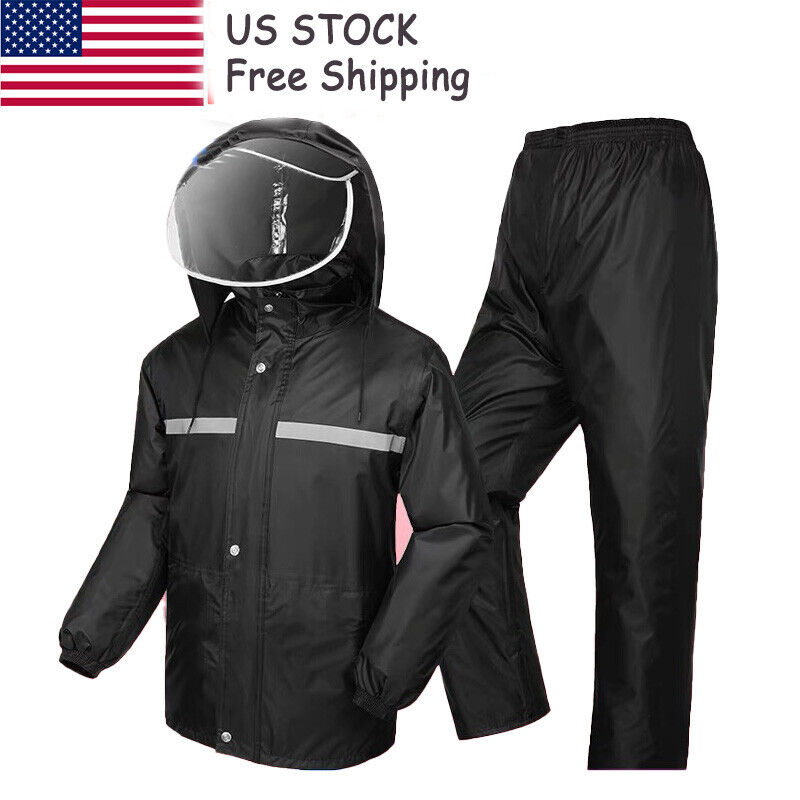
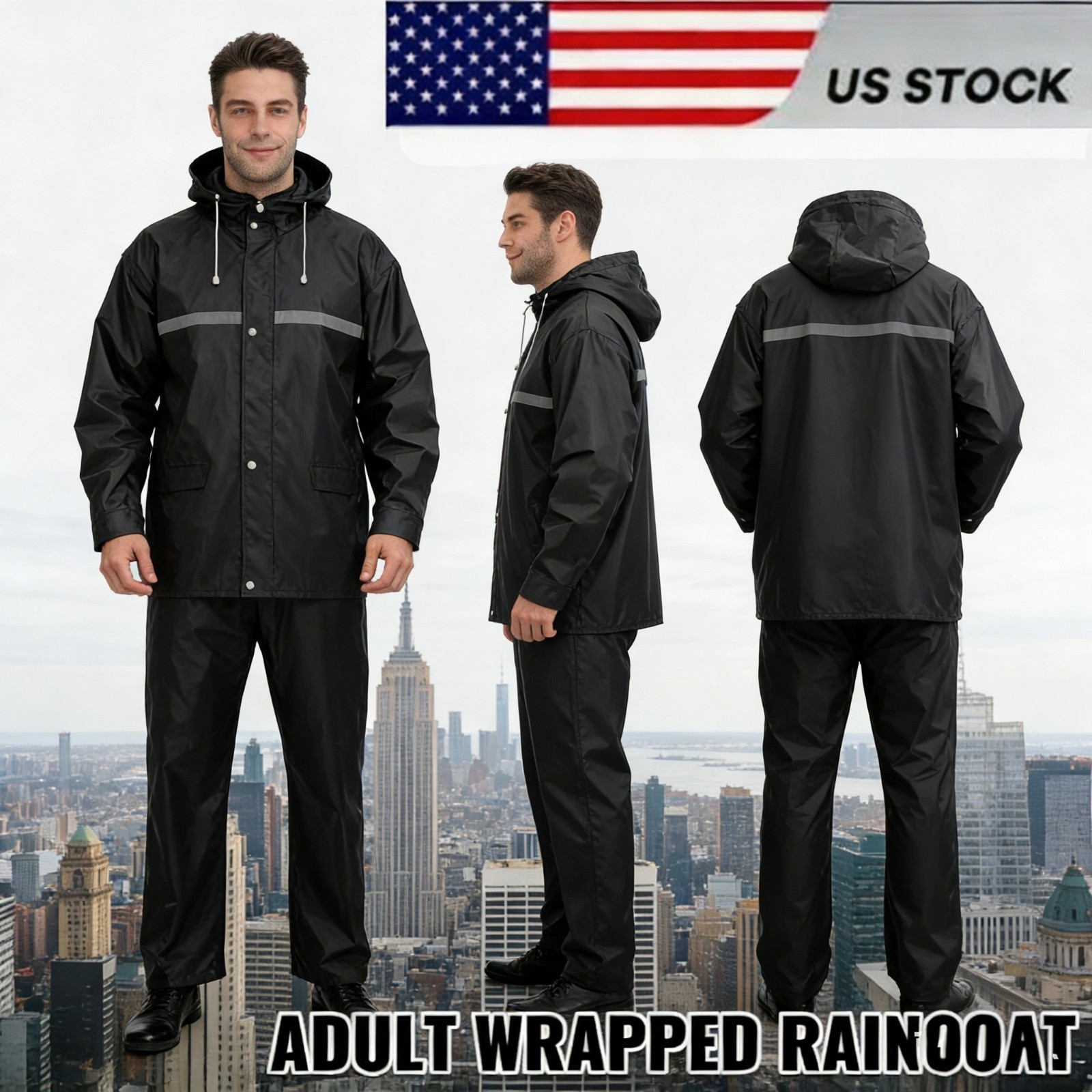
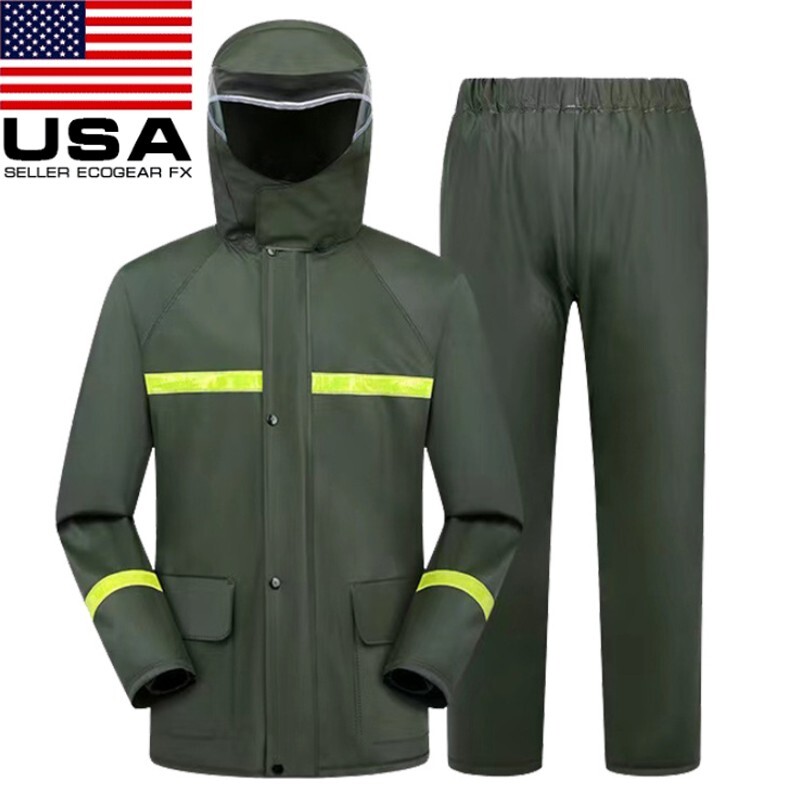
As the NiMet Rainfall Forecast Nigeria 2026 clearly indicates, the shift from intense heat to sudden, violent storms is no longer a distant possibility—it is an immediate reality for millions across the South. Staying dry and safe during these high-wind events requires more than just an umbrella, which can easily fail when confronted by the gusty conditions predicted for Lagos, Rivers, and Bayelsa. Investing in professional-grade protection is a critical step for anyone who needs to navigate the outdoors during these unpredictable 72-hour weather windows.
Modern weather-ready gear has evolved to meet the demands of tropical climates, offering a balance between total waterproofing and the breathability needed for Nigeria’s humid environment. When selecting your defense against the elements, look for reinforced seams and storm flaps that ensure water remains on the outside, even during a heavy downpour. These features are essential not just for personal comfort, but for maintaining visibility and safety while commuting through the flash floods and slippery roads highlighted in the latest alerts.
We have curated a selection of highly-rated, durable options to help you stay ahead of the coming storm and protect your health during this volatile season. We invite you to explore these essential items and join the conversation by sharing your storm preparation tips in the comments section below. For more real-time weather alerts and safety guides delivered straight to your inbox, be sure to subscribe to the Naija NewsBurrow newsletter today.
Shop Products On Amazon
Shop Products on Ebay





Trending Similar Stories in the News
NiMet Forecasts Rainfall Across Several States Voice of Nigeria...
NiMet unveils 2026 SCP, predicts normal rainfall in most parts of Nigeria The Nation Newspaper...
Trending Videos of Nimet Rainfall Forecast Nigeria 2026
NiMet 2026 Seasonal Climate Prediction (SCP)
Similar Popular Articles
#NigeriaWeather #NiMet2026 #RainySeason #SafetyTips #LagosLife
Nigeria Weather Alert, NiMet Rainfall 2026, Flood Warning Nigeria, Lagos Rain Forecast, Safety Tips Nigeria



GIPHY App Key not set. Please check settings